
AI & Robotics · From THT Media Lab
“When the music changes, so does the dance.” — African proverb
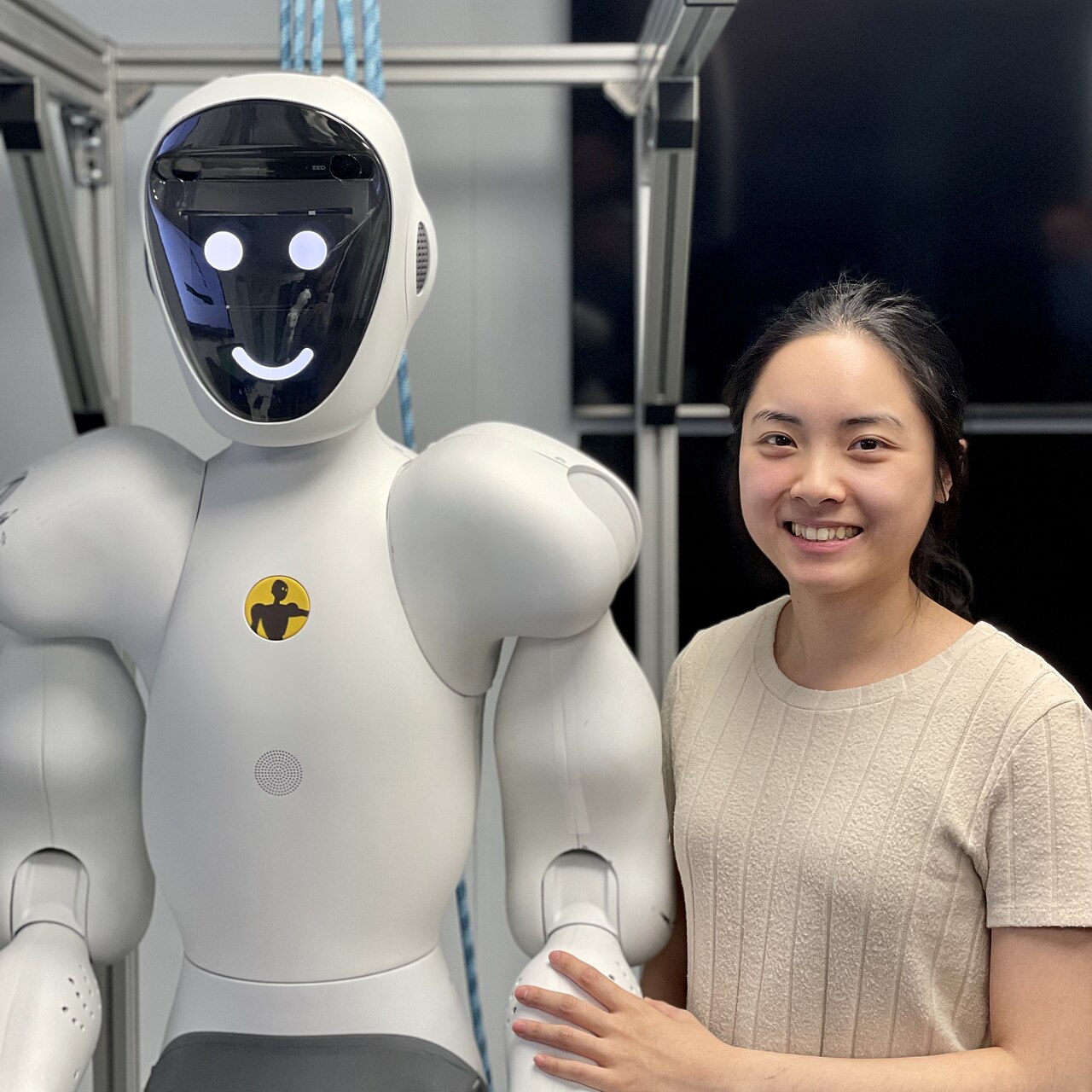
For the past few years, artificial intelligence has lived on screens: chatbots that write, apps that answer. The next chapter is physical. The tech industry calls it “physical AI”: machines that see, move and work in the real world, from humanoid robots to self-driving cars and warehouse fleets.
Why it matters
Uptown: Driving, delivery, warehouse and security jobs, which many New Yorkers hold, are among the first to change. Jobs repairing and running these machines are opening up.
Across America: U.S. factories installed almost 38,500 industrial robots in 2025, second in the world, according to the International Federation of Robotics.
Around the world: China installed 354,000, or 59 percent of all new factory robots worldwide, and five million industrial robots are now at work around the globe, the federation reports.
What the industry is talking about
A new analysis from the research firm GlobalData found that conversation about physical AI among tech influencers on X jumped in August 2026 and stayed high through October. According to GlobalData, the talk centered on four areas:
- Humanoid robots. Companies named include Tesla’s Optimus program, Figure, Agility Robotics and China’s XPeng, which, according to the discussions GlobalData tracked, plans to start selling its Iron humanoid in the second half of 2027.
- Self-driving vehicles. Robotaxis and autonomous trucks, including Waymo’s expansion into new markets and Einride’s cab-less truck on German public roads.
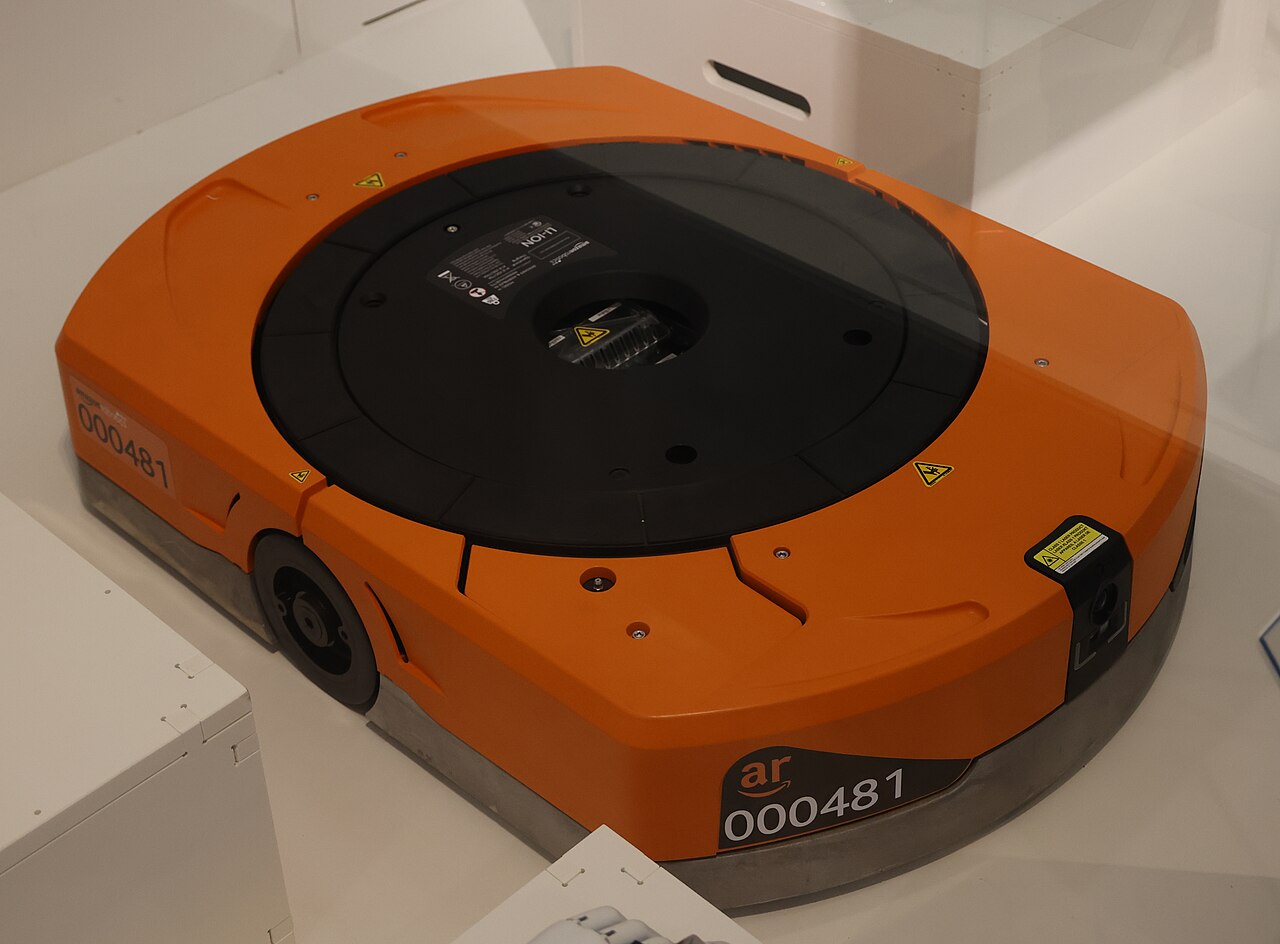
- Warehouses and logistics. Amazon’s robotics operations were cited as the clearest example of AI at work at scale.
- The chips underneath it all. NVIDIA featured most prominently, along with Intel, Qualcomm and others.
“Physical AI is drawing greater attention as companies across the technology value chain position themselves to capture the opportunity,” said Shreyasee Majumder, a social media analyst at GlobalData.
A brain needs a body
Building that body is hard. In an op-ed shared with The Harlem Times, Nikolajus Gavrilinas, CEO of the Lithuanian laser maker LITILIT, notes that AI providers are expected to spend nearly $1 trillion on AI infrastructure this year, citing Gartner. Much of it goes into chips, memory and data centers whose parts must be made with precision finer than a human hair. “The brain of AI was built in software labs,” Gavrilinas writes. “Its body is being built on factory floors.”
The Harlem Times View: Get Ready for the Robots, and Learn to Build Them
The reporting above is drawn from GlobalData’s analysis and Mr. Gavrilinas’s op-ed. What follows is the view of The Harlem Times.
The jobs most exposed to physical AI are jobs many of our neighbors hold: driving, delivery, warehouse work, security. These changes will not arrive overnight, but they will arrive. The answer is not fear. It is preparation.
Harlem has done this before. Our young people have competed in robotics championships, and The Harlem Times once ran its own Writer’s Workshop and Robotics/Engineering Lab. The people who repair, program and supervise these machines will be well paid. Some of them should come from our neighborhoods. Training programs like New York’s new AI Jobs Institute are one door. Our schools and community groups should open more.
More from THT Media Lab: AI & Robotics