
The Harlems of the World · Africa
“Umuntu ngumuntu ngabantu.” A person is a person through other people. — Zulu and Xhosa proverb
Two numbers tell the story of South Africa this month. The first is 30.8, the share of the vote won by the African National Congress in the Nov. 4 local elections, its weakest showing since Nelson Mandela led the party to power in 1994. The second is 8.04 trillion, the new size of the economy in rand after the national statistics agency recounted it and found Africa’s most industrialized nation is roughly 5 percent bigger than anyone thought. A country in transition, and richer than it looked: that is the South Africa our readers in New York and across the diaspora should be watching.
A new era of coalitions
Final results put the ANC at 30.8 percent nationally, down from 46 percent in the 2021 local vote, ahead of the Democratic Alliance at 24.6 percent, the MK Party at 9.8 percent, the EFF at 6.2 percent and ActionSA at 5.7 percent (BusinessTech). More than half of the country’s directly elected municipal councils produced no outright winner, and the law gives parties 14 days to form coalitions, so deals in the biggest cities are due around the end of this week (Latin Times).
In Johannesburg, the continent’s financial hub, the DA under mayoral candidate Helen Zille opened a historic lead over the ANC but fell short of 40 percent, with 15 smaller parties holding seats (Daily Maverick). Voters were judging basic services: water, power and roads. Whoever governs Johannesburg, Tshwane and Ekurhuleni next will be measured on the same.
Bigger than it looked
On Oct. 29, Statistics South Africa updated how it measures the economy, moving its base year from 2015 to 2022. The result lifted the size of the 2022 economy by 4.9 percent (Stats SA) and put last year’s output at about R8.04 trillion, widening South Africa’s lead over Nigeria as sub-Saharan Africa’s largest economy (TimesLIVE). The National Treasury says the debt-to-GDP ratio now peaks at 74.6 percent, not the 78.4 percent it had projected (SAnews). The growth rate did not change much, but for investors, a bigger and better-measured economy is a better story to tell.
Why it matters uptown
South Africa and Harlem share a long history. The movement against apartheid was organized in New York’s churches, campuses and city halls, and when Nelson Mandela came to the city in June 1990, months after his release, Harlem turned out by the tens of thousands to welcome him. Today the links are trade, travel and family: South African artists, students and entrepreneurs in New York, and Black American travelers heading south to see the country for themselves.
If you go
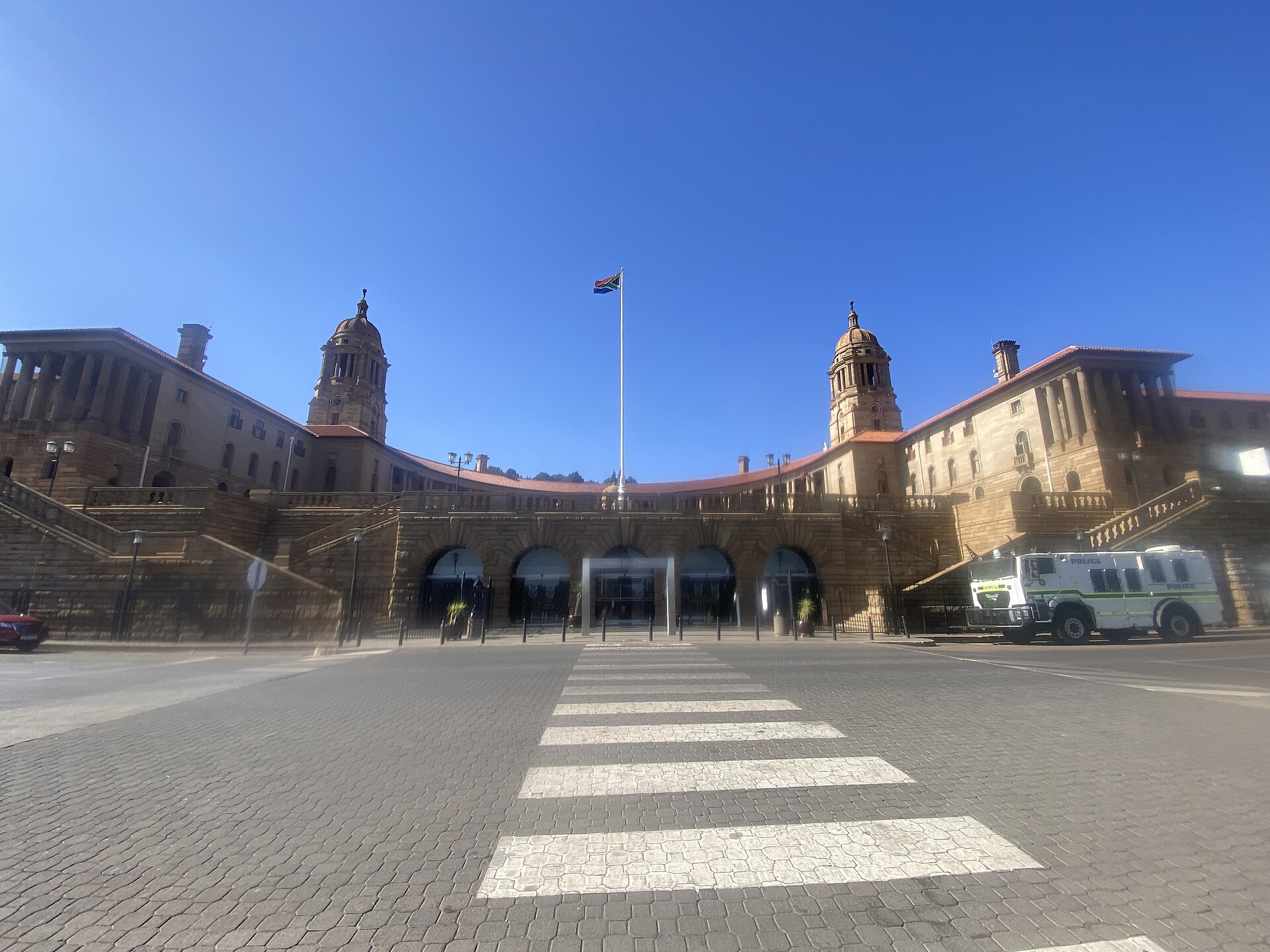
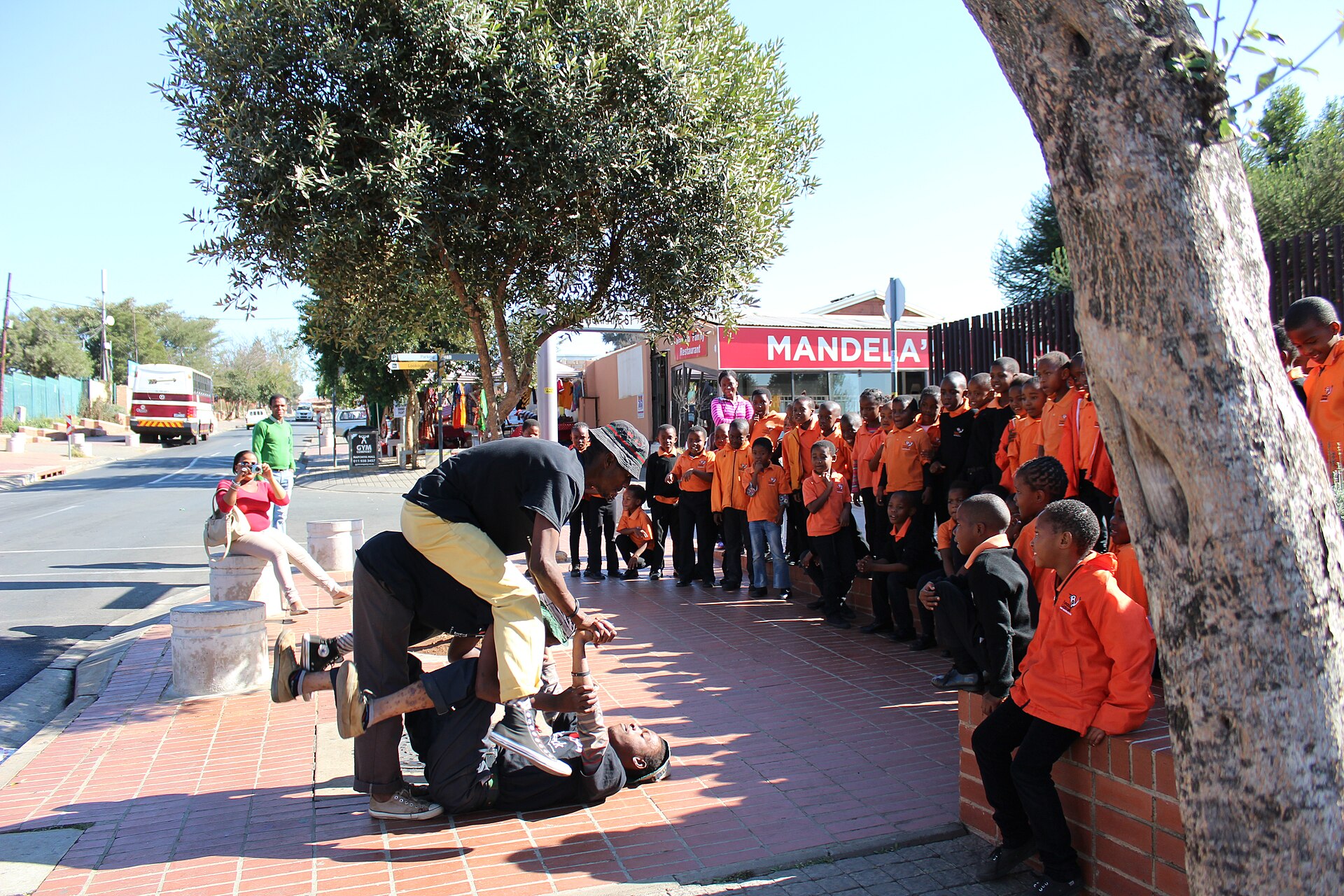
Start in Soweto, on Vilakazi Street, the only street in the world that was home to two Nobel Peace Prize winners, Nelson Mandela and Archbishop Desmond Tutu. Mandela’s house is now a museum, and the street is alive with restaurants, music and performers. In Johannesburg, give a full day to the Apartheid Museum and Constitution Hill, the old prison that now houses the country’s highest court. In Pretoria, walk the gardens of the Union Buildings, where Mandela took the oath of office in 1994. Then fly to Cape Town for Table Mountain, the winelands and the ferry to Robben Island, where Mandela spent 18 of his 27 years in prison.
Before you book, check the current entry rules with the South African Embassy or Consulate and the U.S. State Department.
Keep reading
Africa’s Rise: the best videos from across the continent · World News: today’s headlines from Black America, Africa and the diaspora · This week’s Country of the Week: Suriname · The Developing Market Report
Get the Country of the Week in your inbox every Friday, free: subscribe to The Harlem Times Weekly. Share this story and tag us @HarlemTimesNews on X and @theharlemtimes on Instagram.