A PROJECT FOR THE AGES
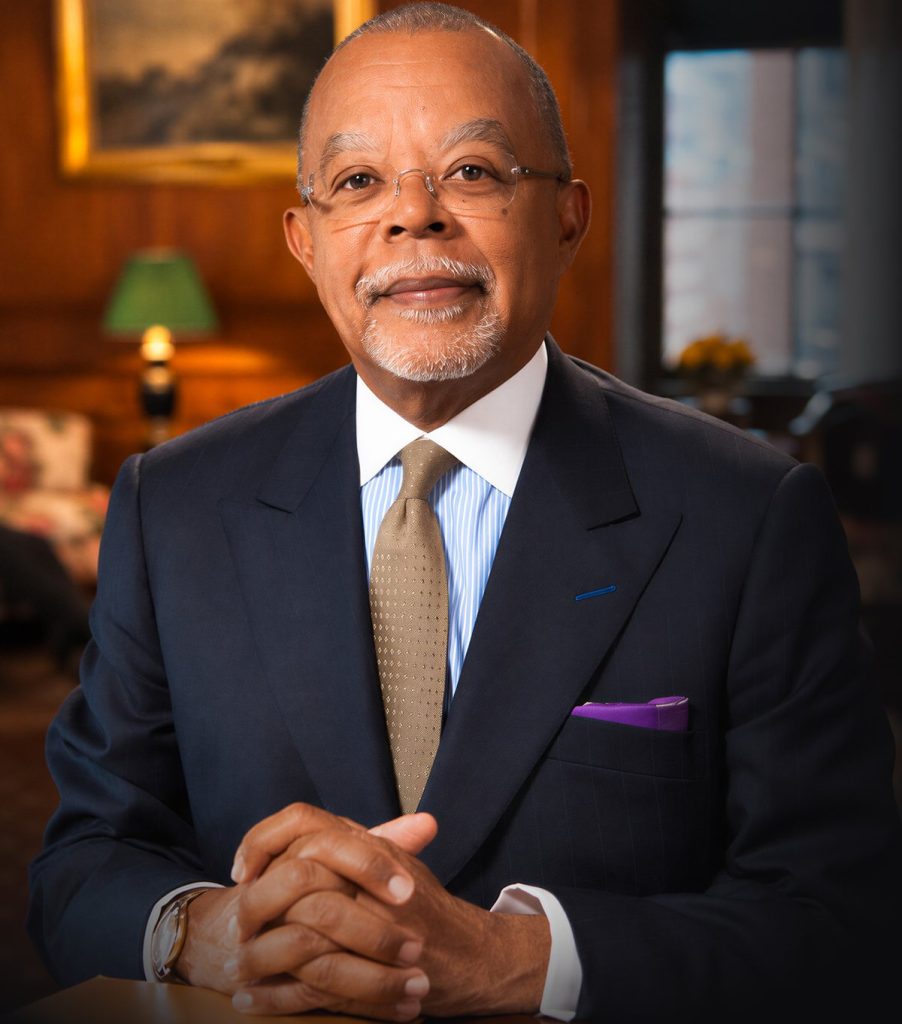
By Henry Louis Gates Jr.
Professor at Harvard University and Director of the Hutchins Center for African & African American Research
I made my first pilgrimage to the grave of William Edward Burghardt Du Bois as a 20-year-old undergraduate at Yale University in February 1971. It was the culmination of a gap-year I’d spent working in an Anglican Mission Hospital in central Tanzania. I then trekked across the African continent with the express purpose of paying my respects to Du Bois, who’d died in Ghana, his adopted country, eight-and-a-half years earlier on the eve of the March on Washington for Jobs and Freedom in his native country, the United States. A photograph of my visit, which I took that sad day, still hangs in my office at Harvard. At the time, Du Bois’s remains were in his initial resting place, just outside of the walls of Christiansborg (Osu) Castle, which at that time was both the site of the President’s office and residence, and the seat of Ghana’s government.
In 1985, Du Bois’s body, along with the ashes of his second wife, Shirley Graham Du Bois, was re-interred at the W. E. B. Du Bois Centre for Pan-African Culture in Accra. This was done at the direction of Ghanaian President Jerry Rawlings, who envisioned the Centre as a way for pilgrims like me to commune with the spirit and legacy of this towering Black intellectual of the century, bookended by the end of slavery at the end of the American Civil War and the beginning of the end of European colonial rule in Africa in the decades after World War Two. Du Bois is my personal intellectual hero, a renaissance man who encompassed oceans of interests and talents and whose work spanned the vaunted halls of the academy and the leading edge of what would become the modern civil rights movement.
To me, the Du Bois Centre is a truly sacred site and one that belongs on any map of landmarks defining the African and African American experience in the world. Yet sadly, on my last two visits to the Centre in 1990 and 2015, I felt crestfallen and deeply despairing about the conditions I found there. For example, the Bungalow where Dr. Du Bois lived, worked, and died was leaking, with water marks on the ceiling. His books and papers were covered with dust and showed clear signs of decay and water damage caused by the humid Ghanaian weather. His tomb was depressingly unkempt, the carpet on the floor dirty from foot traffic over the years.
For much of my professional life, I have had the privilege and honor of working within the great intellectual tradition established by Dr. Du Bois, and I have done my best to expand it as a teacher, scholar, filmmaker, and institution-builder. At Harvard, I have served as the director of the W. E. B. Du Bois Research Institute since 1991. Today, it is housed within the Hutchins Center for African & African American Research, where, each year, it continues to support and assemble a vanguard of fellows whose work defines the future of our field. And it is also home to the W. E. B. Du Bois Medal, which we bestow each year on luminaries throughout the world who have defined excellence in Black history, society, and culture. In these and other ways, we carry the torch for Du Bois, keeping his work and memory alive to light the path for rising generations.
For me, protecting Du Bois’s legacy is not only a responsibility I feel duty-bound to keep. It is a sacred mission. This is why the proposed Museum and Library Complex is so important to me. It is being sponsored by the New York-based 501(c)(3) nonprofit, the W.E.B. Du Bois Museum Foundation, which I helped to found in 2019, along with other concerned individuals, including my dear friend, the scholar and leading public intellectual Kwame Anthony Appiah, Michael Morand of the Yale Beinecke Library, the passionate New York philanthropist Mr. Daniel Rose, and his niece Dr. Deborah Rose.
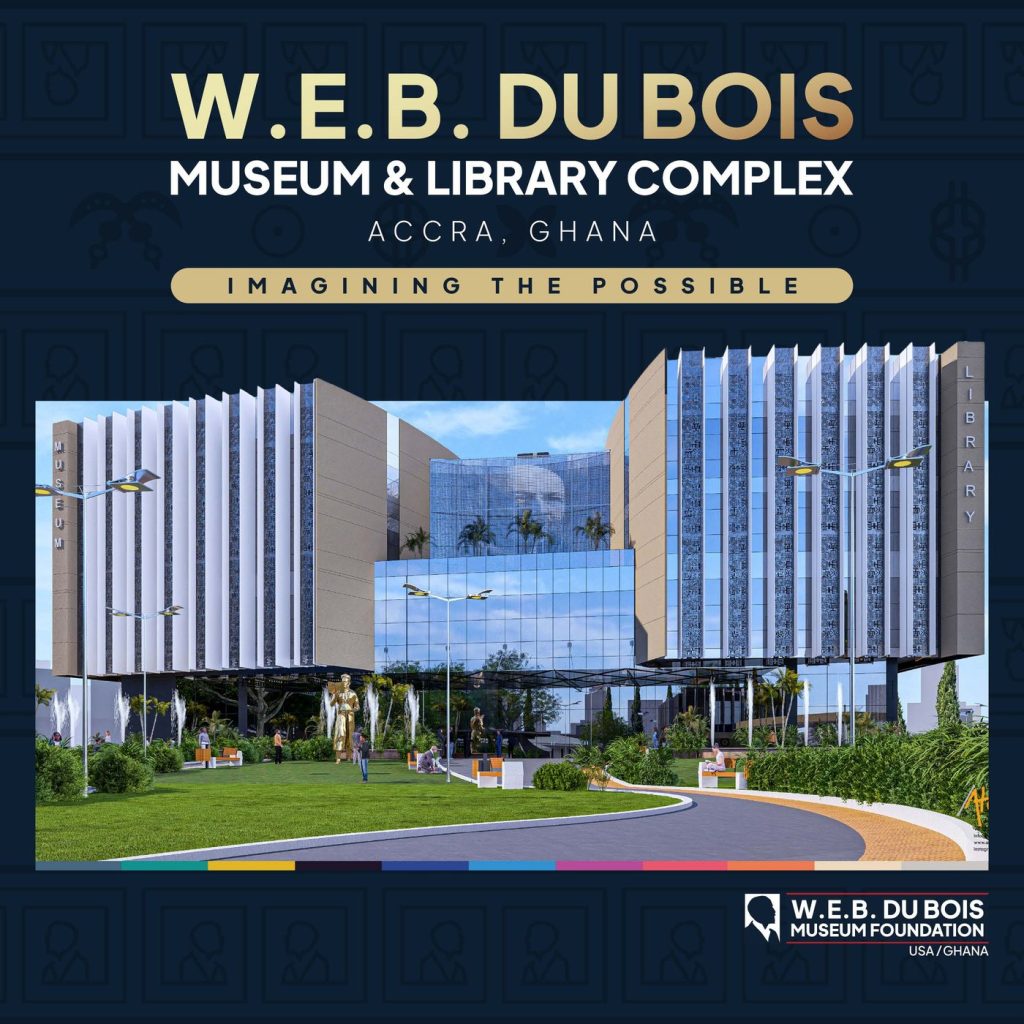
Our mission is to transform the dilapidated Du Bois Centre in Accra into a world-class Museum and Library complex and a mecca for Du Bois scholars and students of African and African American history from the Global Diaspora Community and throughout the world. Under the remarkable leadership of our Ghanaian American Executive Director, Mr. Japhet Aryiku, this noble project is underway, having secured the full support of the government of President John Mahama in December 2025.
Du Bois spent his life crossing intellectual, cultural, and geographical boundaries. At the age of 93, he accepted a challenging invitation from the first President of Ghana, Dr. Kwame Nkrumah, to repatriate to Ghana to launch the Encyclopedia Africana, an ambitious project to document the contribution of Africans to world history, culture, and civilization. In October 1961, he moved to Accra with his second wife, Shirley Graham. He immediately immersed himself in the task. Unfortunately, though, his health soon began to fail.
Less than two years after moving to Ghana, he passed away peacefully in his Bungalow in Accra, with Shirley by his bedside. He was accorded a state funeral, hosted by President Nkrumah, who spoke movingly of Du Bois’s enormous historic significance.
Born in Massachusetts in 1868, the year the Fourteenth Amendment to the U.S. Constitution was ratified, establishing birthright citizenship, Du Bois studied at Fisk and Harvard University, where, in 1895, he became the first African American to earn a Ph.D. As an academic, he helped pioneer the burgeoning field of sociology with his study of urban life in Philadelphia and, as a writer, he authored one of the canonical texts of American letters, The Souls of Black Folk, which, in 1903, famously prophesied that “the problem of the Twentieth Century is the problem of the color line.” Du Bois’s work challenged the intellectual foundations of racism, of racial injustice and inequality, and of colonialism while insisting upon the dignity, humanity, and intellectual capacity of people of African descent.
One of the founders of the N.A.A.C.P. in 1909, Du Bois dedicated his time and energy to editing its landmark magazine, The Crisis, and with the publication of his monumental history, Black Reconstruction in America in 1935, he laid the foundation for generations that would follow him in revising the nation’s distorted, and destructive, understanding of the post-Emancipation period. In the decades that followed, Du Bois fought for world peace and nuclear disarmament while speaking out forcefully against the persecution of Jews in Europe.
In 1968, just five years after Du Bois’s passing in Accra, the Rev. Dr. Martin Luther King Jr. delivered a speech at Carnegie Hall in New York honoring his life and legacy. In it, King said:
“History cannot ignore W. E. B. Du Bois. Because history has to reflect truth, and Dr. Du Bois was a tireless explorer and a gifted discoverer of social truths. His singular greatness lay in his quest for truth about his own people. There were very few scholars who concerned themselves with honest study of the black man, and he sought to fill this immense void. The degree to which he succeeded discloses the great dimensions of the man….
“Dr. Du Bois has left us, but he has not died. The spirit of freedom is not buried in the grave of the valiant.”
The proposed Museum and Library complex presents an extraordinary opportunity for Ghana to create an institution of international significance at Du Bois’s resting place. It is an opportunity for Africa and its diaspora to create a permanent intellectual bridge for universities and research institutions to collaborate across continents. And it is an opportunity for a new generation to discover and learn about the enduring, urgent, ceaselessly relevant works and ideals of Dr. Du Bois.
Besides exhibiting and showcasing the life and works of Dr. Du Bois, the complex will also have a prominent place for the story of Shirley Graham, Du Bois’s second wife, whose ashes are also interred in the Tomb at the Centre in Accra. I have long believed in the importance of preserving the documentary record of her life. Indeed, when Radcliffe acquired the papers of Shirley Graham Du Bois, I described them as a “treasure trove of manuscripts and letters” that would intrigue scholars for generations and help us appreciate her own vibrant intellectual legacy. Her papers, like those of Du Bois, remind us that the preservation of history is not simply about safeguarding the past. It is about making possible new scholarship and new understandings for the future.
I believe the world should embrace and support this noble effort to fund the Du Bois Museum and Library project. With your help, it will become a home for scholarship, a home for dialogue, a home for rising generations. To support this project is about more than supporting a building. It is about investing in a sustainable institution of knowledge generation. It is about creating a place where the descendants of the African diaspora can encounter their history, examine their collective past and present, and imagine their future. And if we build it with the ambition, energy, and enthusiasm that Du Bois himself brought to his intellectual life, it can become something greater than a memorial.
The time has come for the four-acre final home of Dr. Du Bois to become a global home for his ideas, memory, and those of Shirley Graham Du Bois.
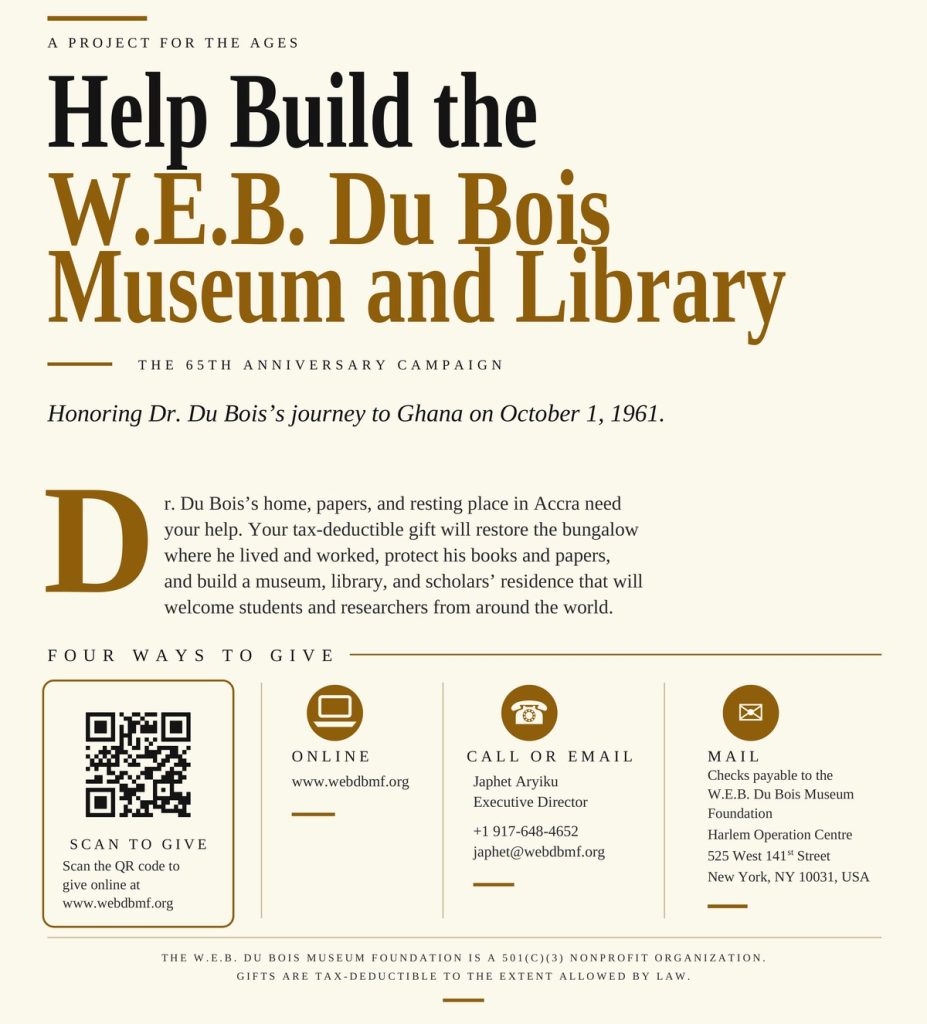
I endorse and support this project wholeheartedly, and I am asking you, my friends, to help us with your generous tax-deductible donations at the website: www.webdbmf.org and/or contact the Executive Director, Mr. Japhet Aryiku at +1 917-648-4652 (japhet@webdbmf.org).
About the Author
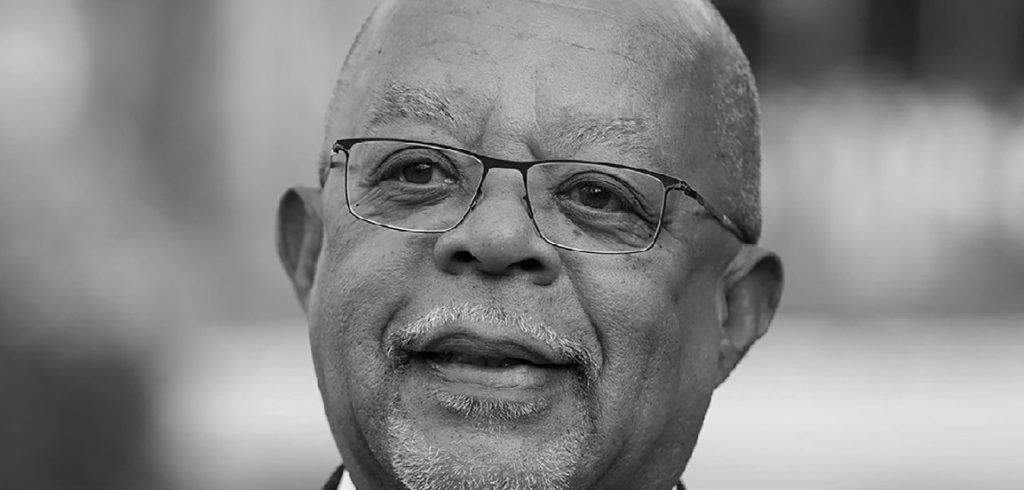
Henry Louis Gates Jr. is the Alphonse Fletcher University Professor at Harvard University and director of the Hutchins Center for African & African American Research, where he has led the W.E.B. Du Bois Research Institute since 1991.
Born in 1950 in Keyser, West Virginia, and raised in the nearby mill town of Piedmont, he graduated summa cum laude from Yale and earned his doctorate at the University of Cambridge. A MacArthur Fellow and recipient of the National Humanities Medal, he has written or edited dozens of books and brought Black history to millions of viewers through his PBS documentaries and the series Finding Your Roots. With Kwame Anthony Appiah, he helped realize one of Du Bois’s great unfinished dreams by editing Africana, the encyclopedia of the African and African American experience, a vision inspired by Du Bois’s Encyclopedia Africana. A co-founder of the W.E.B. Du Bois Museum Foundation, he first made a pilgrimage to Du Bois’s grave in 1971 and today champions the Centre’s rebirth as a world-class museum and library in Accra.
Help Build the W.E.B. Du Bois Museum & Library
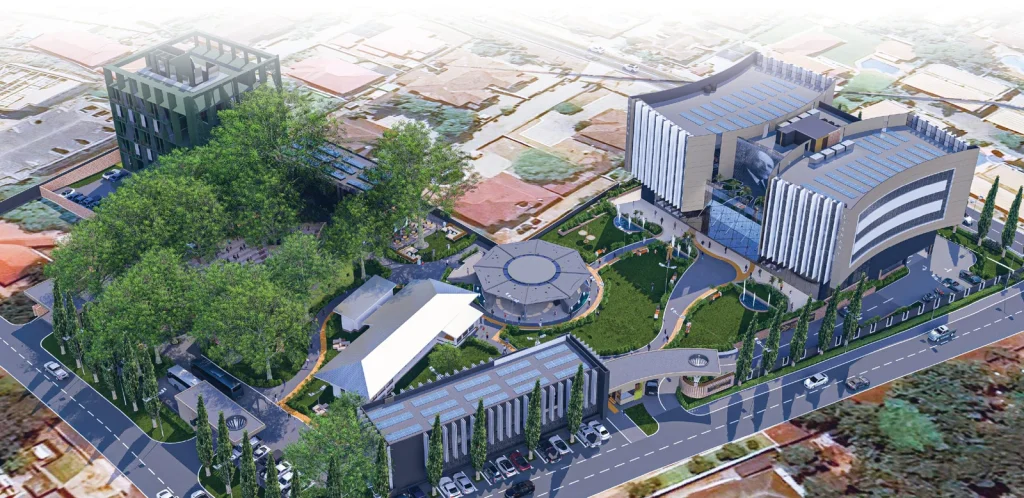
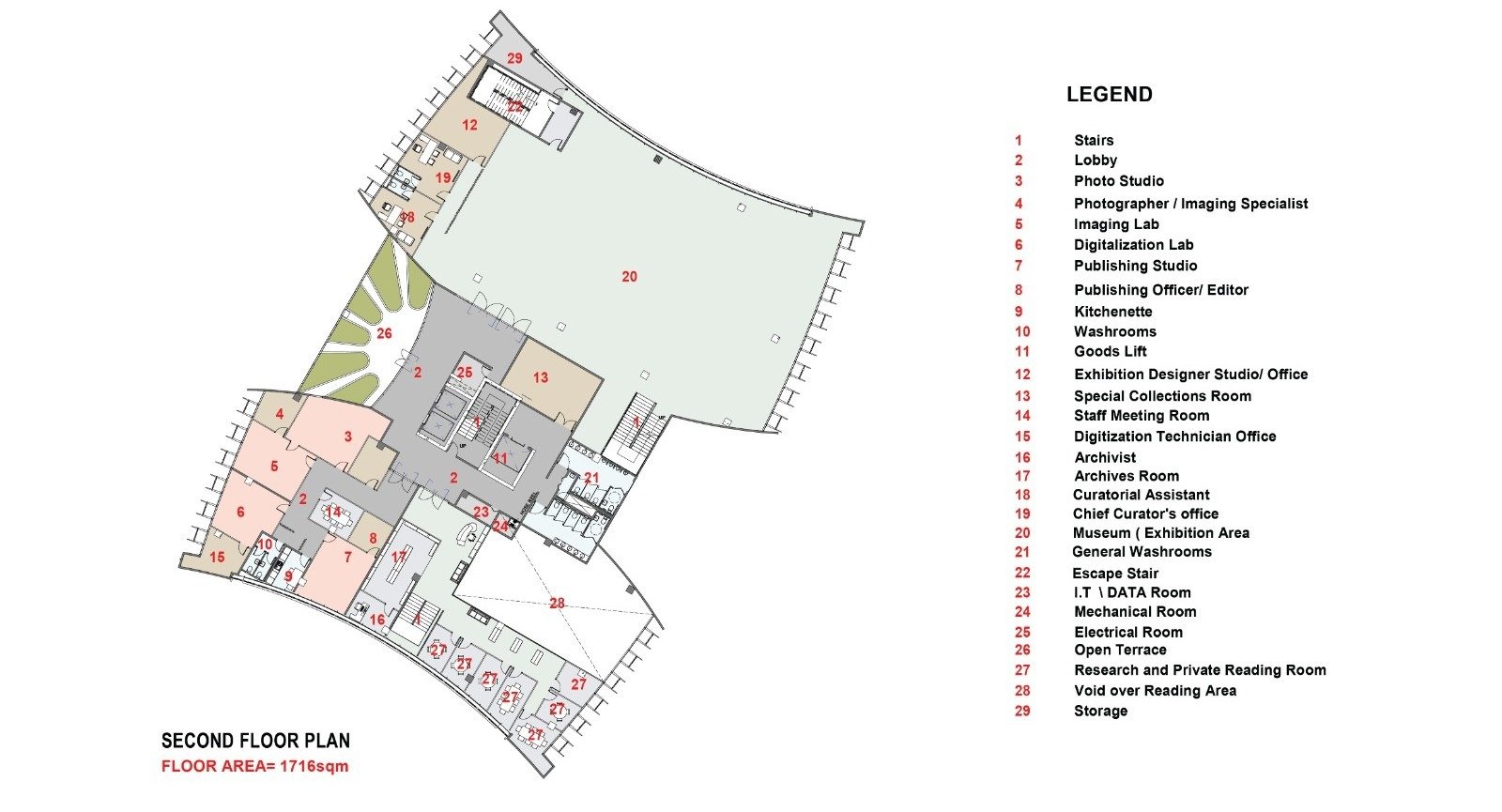
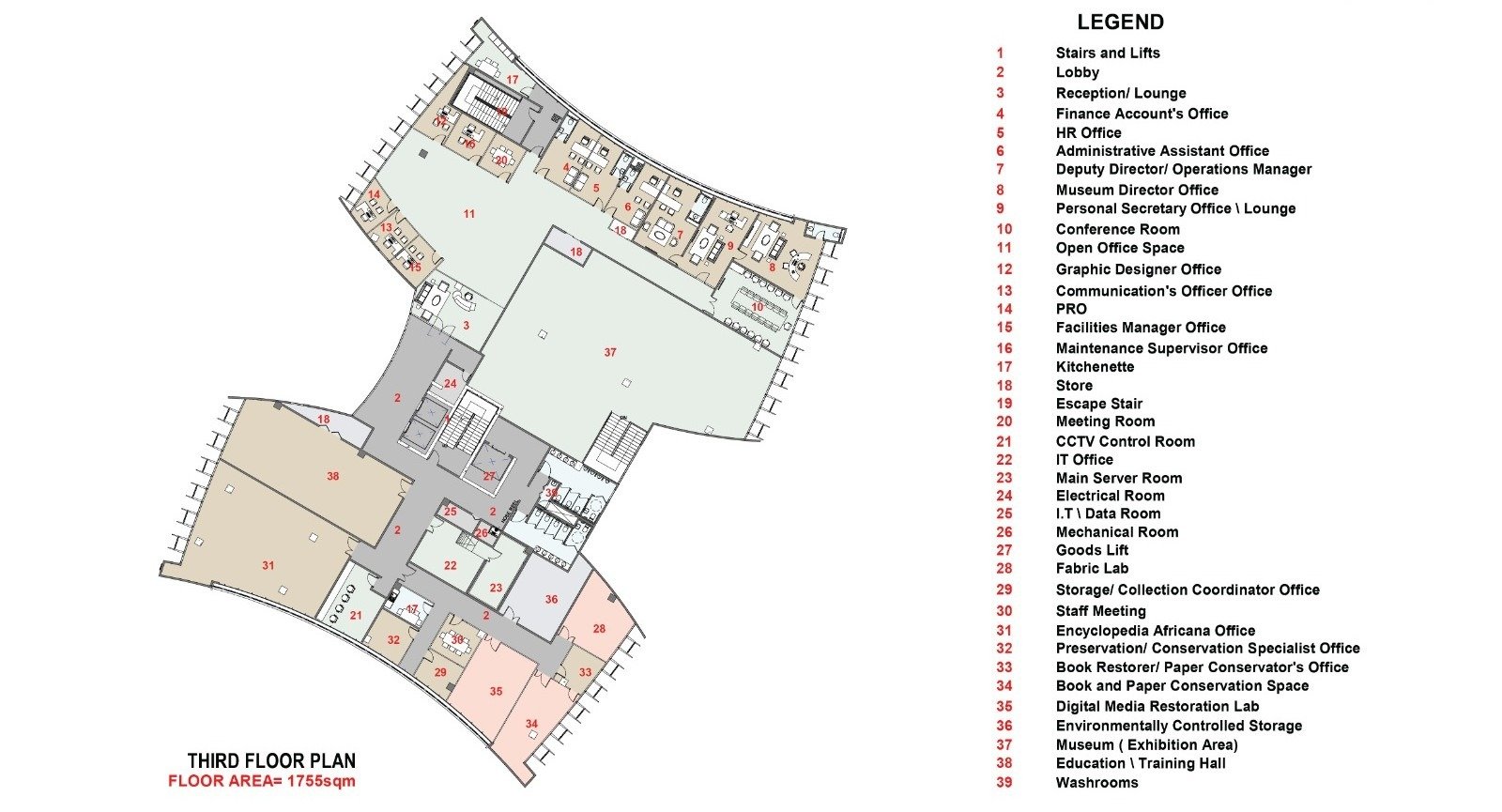
Full Layout of the Museum
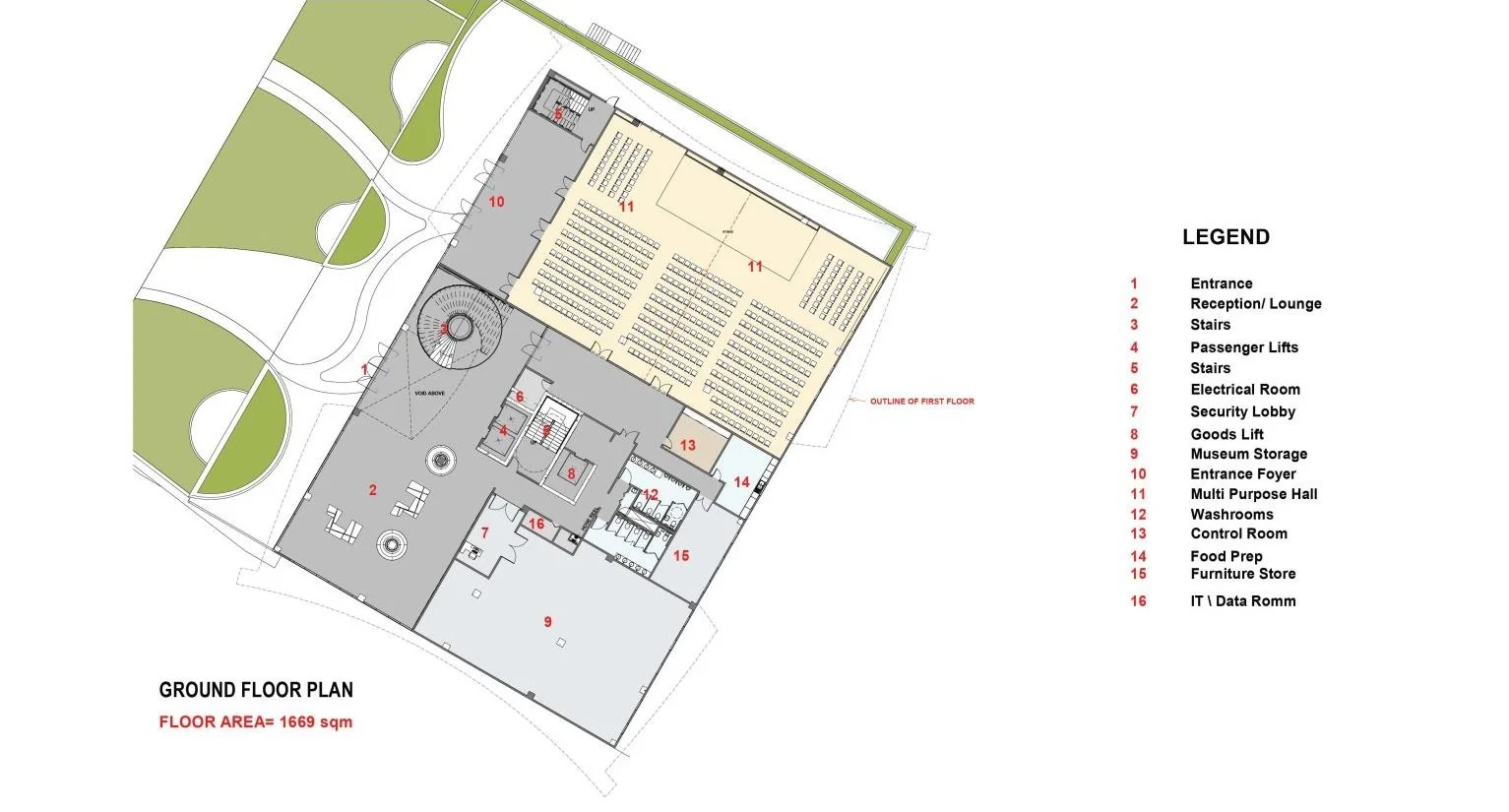
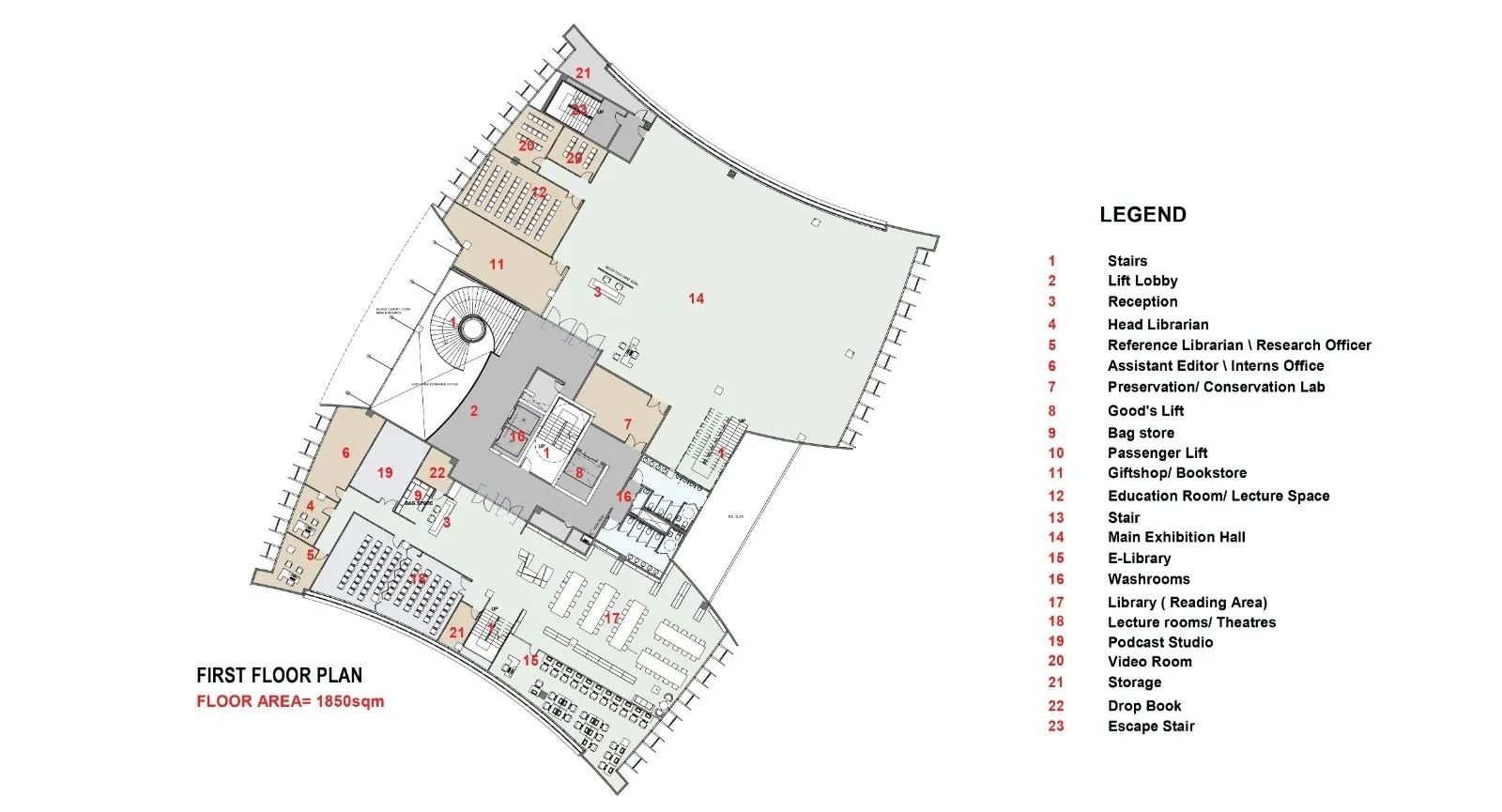
The W.E.B. Du Bois Museum & Library Complex will rise on nearly four acres at the Du Bois Centre in Cantonments, Accra: a restored Bungalow, a new Mausoleum, a Museum, a Library, a Welcome Center, an Amphitheater, underground parking and a 50-room Scholars Residence. Renderings and floor plans courtesy of the W.E.B. Du Bois Museum Foundation.