A PROJECT FOR THE AGES
By Kwame Anthony Appiah
Professor of Philosophy and Law at New York University
Like many Black intellectuals, I grew up in a world that W.E.B. Du Bois helped to make. My father was a Pan-Africanist who met Dr. Du Bois at the 1945 Pan-African Congress in Manchester, but had admired him long before they met. As part of the leadership of the West African Union, and as a spokesman in London for Kwame Nkrumah, over most of the next decade, my father interacted with the figures in London and in Paris, who were going to go home to lead the continent into and through independence: Azikiwe, Awolowo, Banda, Kaunda, Kenyatta, Nyerere, Obote, Senghor … to sample a prestigious alphabet. He was also at the 1974 Pan-African Congress in Tanzania, as Nyerere’s guest. And, in between, he operated in the world of the Organization of African Unity and the African caucuses at the UN. When he represented Ghana in New York, he went uptown to church in Harlem on Sundays because he felt, as so many African Christians visiting New York have, a spiritual kinship between the life of his own church in Kumasi, Ghana, and the services of the Abyssinian Baptist Church. That, too, was Pan-Africanism in action.
And figures from the Black Diaspora, whose unity the Pan-African Movement both assumed and hoped for, visited our home in the name of that spirit of unity, when I was a child. That was why Richard Wright and C. L. R. James visited us at our home in Kumasi: Wright, in particular, because George Padmore, author of Pan-Africanism or Marxism, who sent him to the new republic of Ghana to see what Nkrumah was doing, had been my father’s best man, delegated by Nkrumah.
So, my father’s life was deeply shaped by the Pan-African movement, whose first meeting, led by Du Bois from the United States and Henry Sylvester Williams from Trinidad, in London in 1900, was an outgrowth of a sense of solidarity that developed on the three continents of the Atlantic world, among writers and other intellectuals of African descent. And so my life was shaped by this world Du Bois helped so much to form as well. I was raised to think of him as one of the century’s most important thinkers. I was raised in Africa, assuming that the sufferings and triumphs of African-Americans in the Civil Rights movement on the other side of the ocean mattered to me, as did the travails of Black West Indians facing racism in Great Britain, as, too, did the struggles for independence from colonialism and neo-colonialism on our own continent. It seemed to me completely natural that Du Bois was, by the time he died, a citizen of Ghana: for Pan-Africanism taught me that the African continent should always be home to the people of the continent’s diaspora.
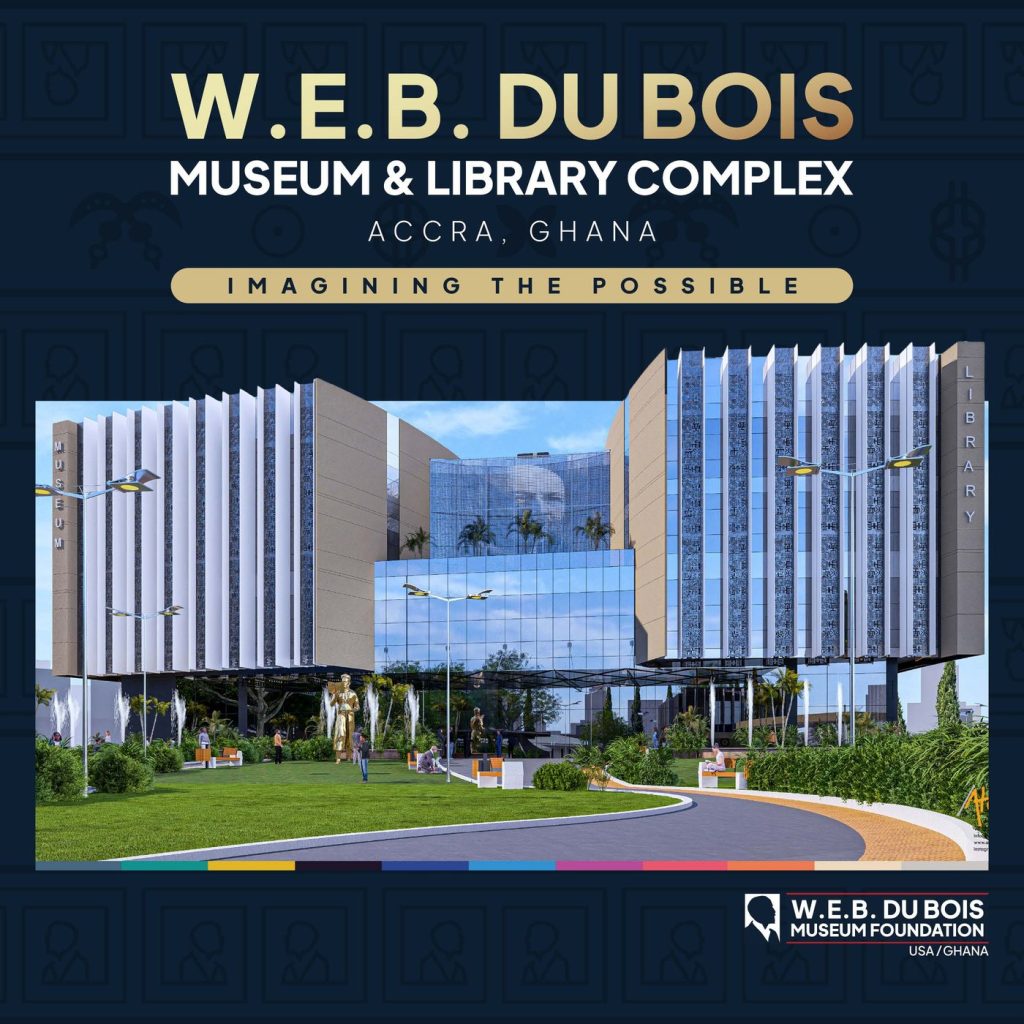
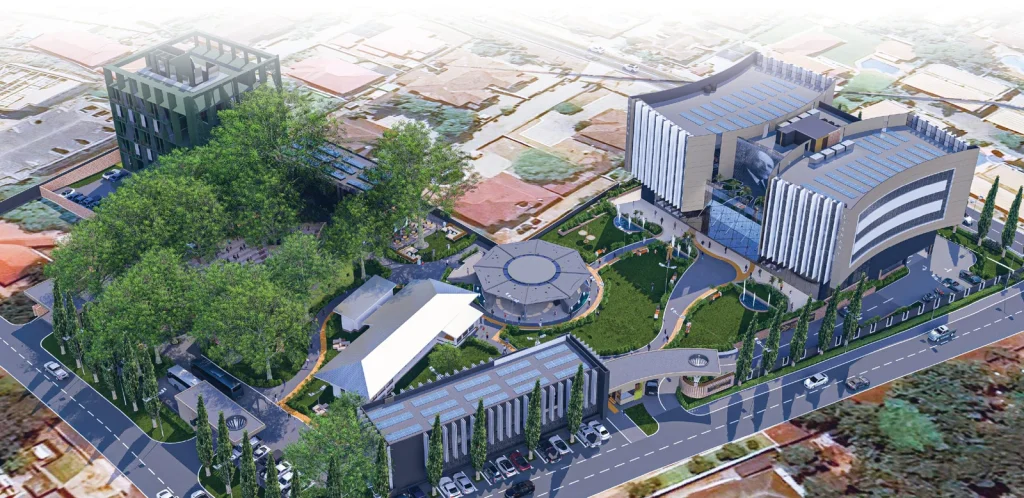
These are personal reasons, then, (besides the fact that my good friend and colleague, Skip Gates Jr., and I co-edited the first published combined volume of the Encyclopedia Africana), why I am passionate about ensuring that Du Bois’s final home in Accra should be preserved as one of the most important sites of Pan-African memory. I grew up in Ghana and have become an American. Du Bois grew up here and ended in Ghana. This country should celebrate him as among our greatest sons; but Ghana can, and should, do so, too. The new museum complex around his final home, when completed, will have a Restored Bungalow where the Du Boises lived, a Mausoleum with a separate grave for Shirley Graham Du Bois, Museum, Library, an Amphitheater, and a 50-room scholars’ residence. It will be a site to reflect upon, to celebrate, and to honor both the man himself—and his extraordinary wife and companion, Shirley Graham Du Bois—and the movement he played so central a part in creating: the Pan-African movement that has done so much to form the life not just of the peoples of the African Diaspora but of the contemporary world. His final home, connecting the Diaspora to the African homeland, is an emblem of the reason that he matters not just to those who feel a special connection to him, but to anyone who cares to understand our world.
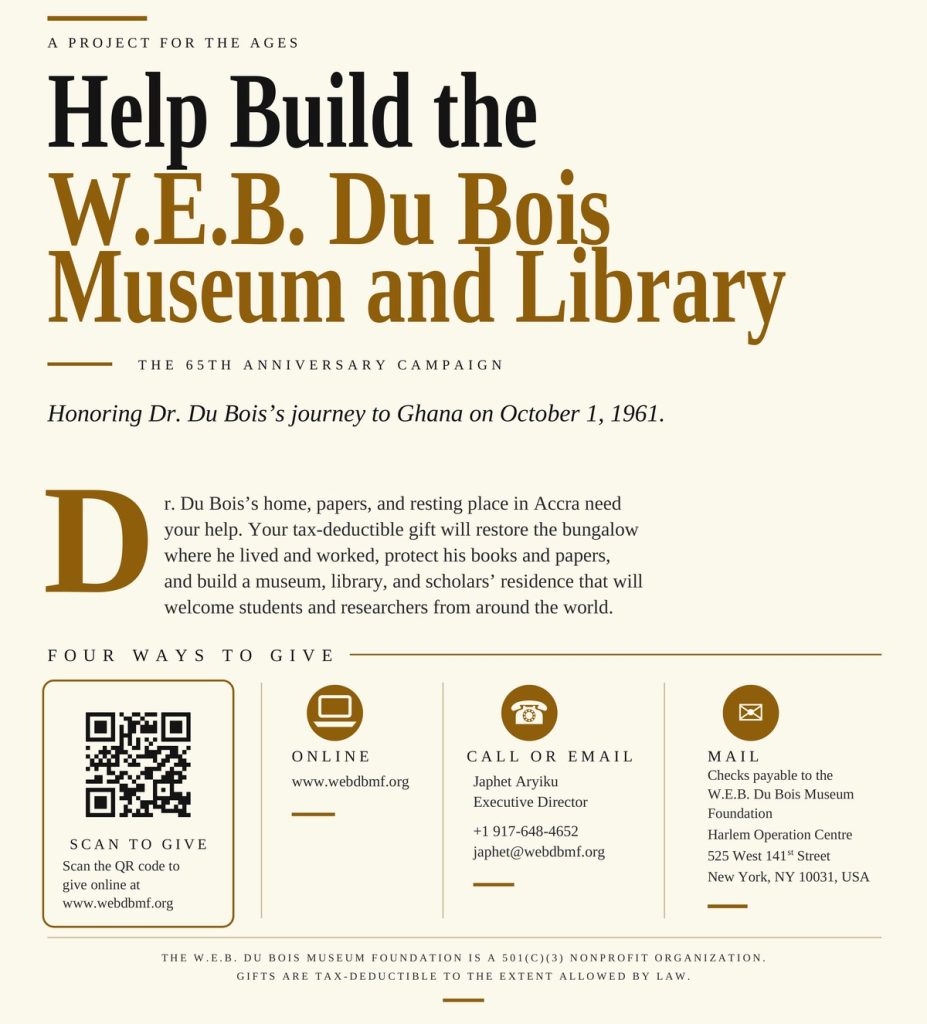
Please help us with your generous tax-deductible donations at the website: www.webdbmf.org and/or contact the Executive Director, Mr. Japhet Aryiku, at +1 917-648-4652 (japhet@webdbmf.org).
About the Author
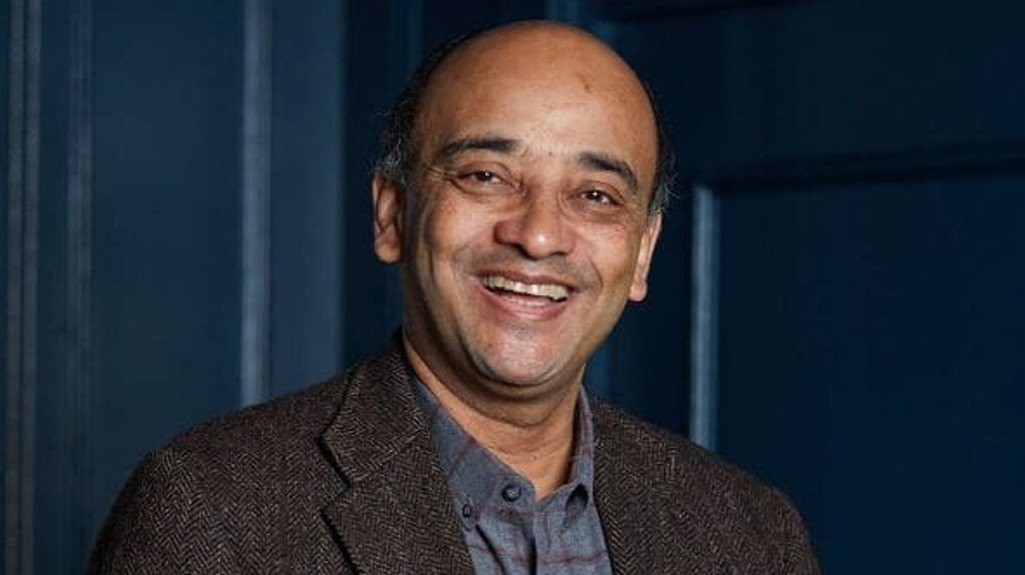
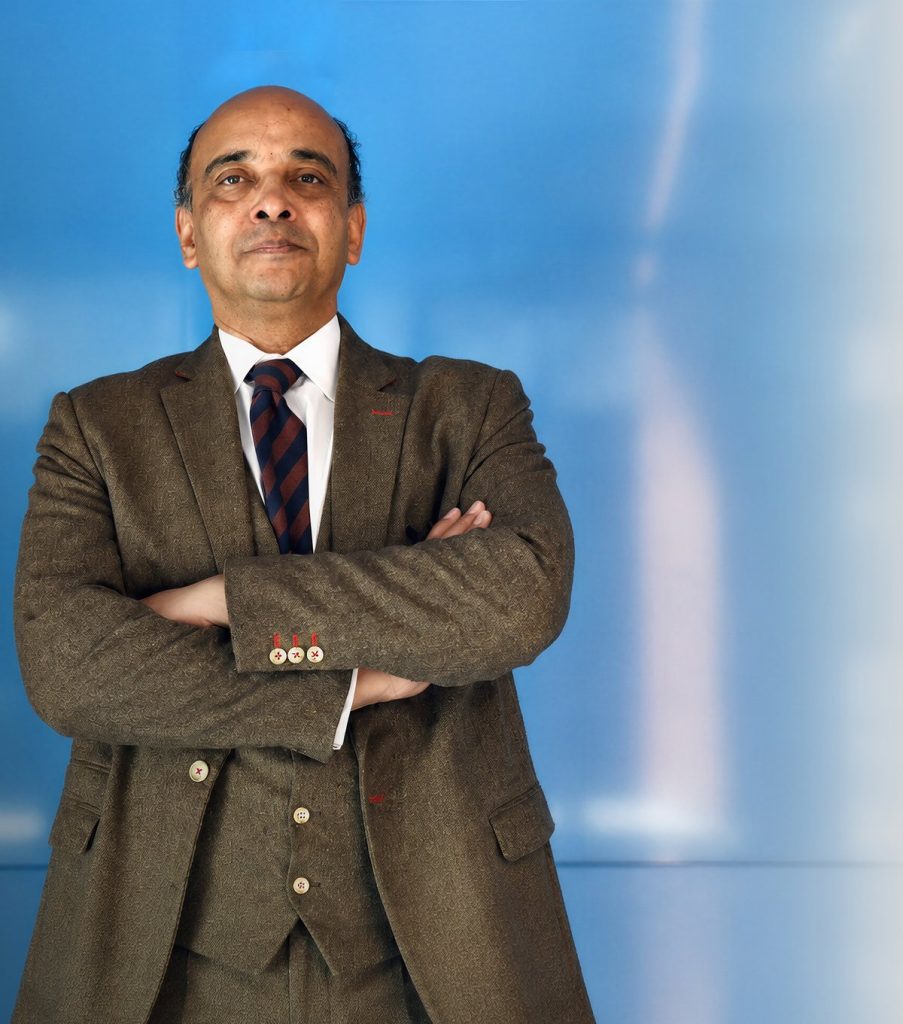
Kwame Anthony Appiah is Professor of Philosophy and Law at New York University and one of the most influential public philosophers of our time. Born in London in 1954 and raised in Kumasi, Ghana, he is the son of the Ghanaian statesman and Pan-Africanist Joe Appiah and the British writer Peggy Appiah; he earned his doctorate in philosophy at the University of Cambridge and taught at Yale, Harvard, and Princeton before joining NYU. His books include In My Father’s House: Africa in the Philosophy of Culture, Cosmopolitanism, and Lines of Descent: W.E.B. Du Bois and the Emergence of Identity, and for years he has counseled readers as “The Ethicist” in The New York Times Magazine. A recipient of the National Humanities Medal, he co-edited Africana with Henry Louis Gates Jr., carrying forward Du Bois’s vision of an Encyclopedia Africana, and in 2019 he helped found the W.E.B. Du Bois Museum Foundation. Raised in the Ghana that Du Bois chose as his final home, and now an American himself, he embodies the bridge between Africa and its diaspora that the new Museum and Library Complex in Accra is being built to honor.
Help Build the W.E.B. Du Bois Museum & Library
Full Layout of the Museum
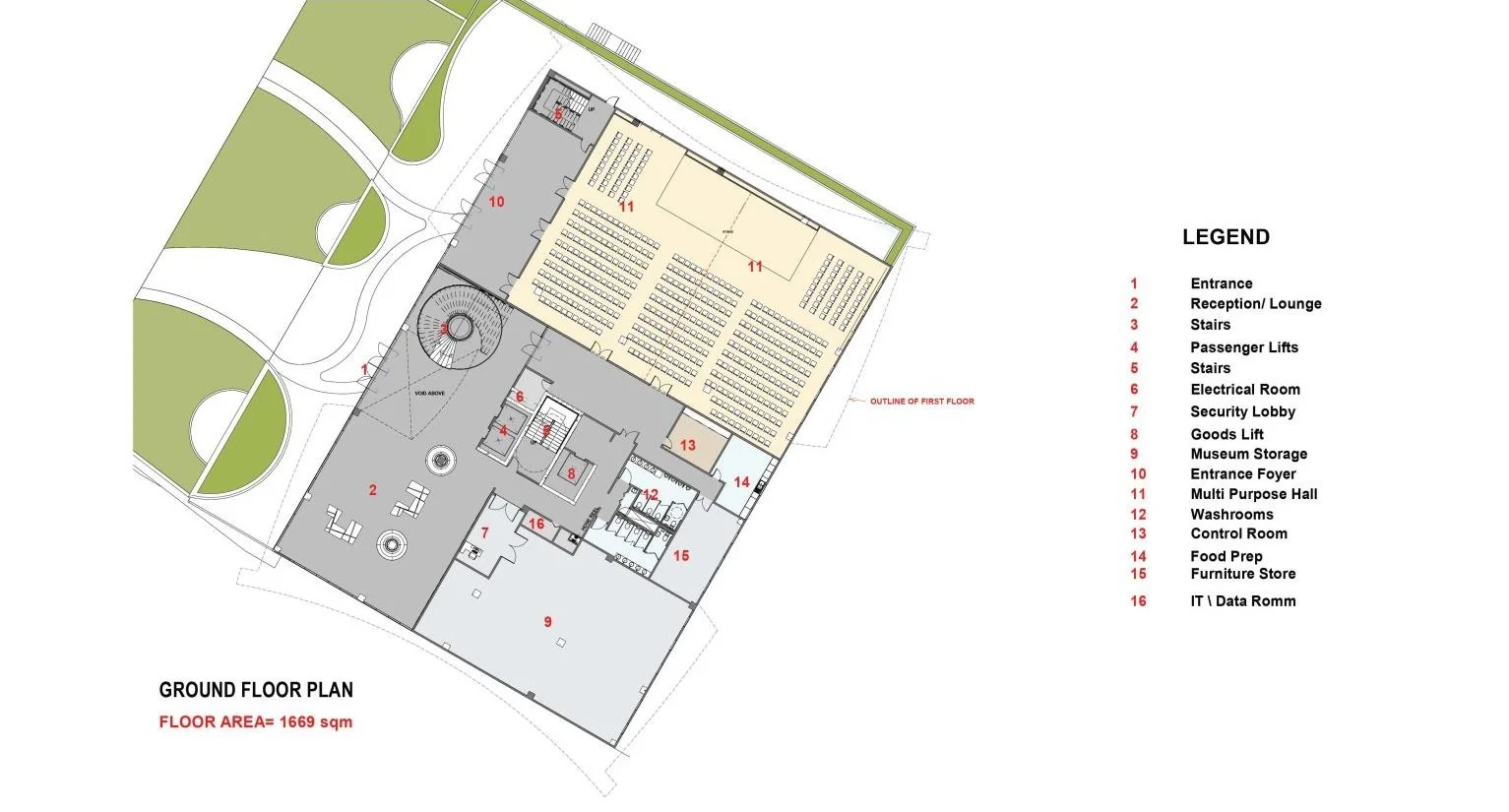
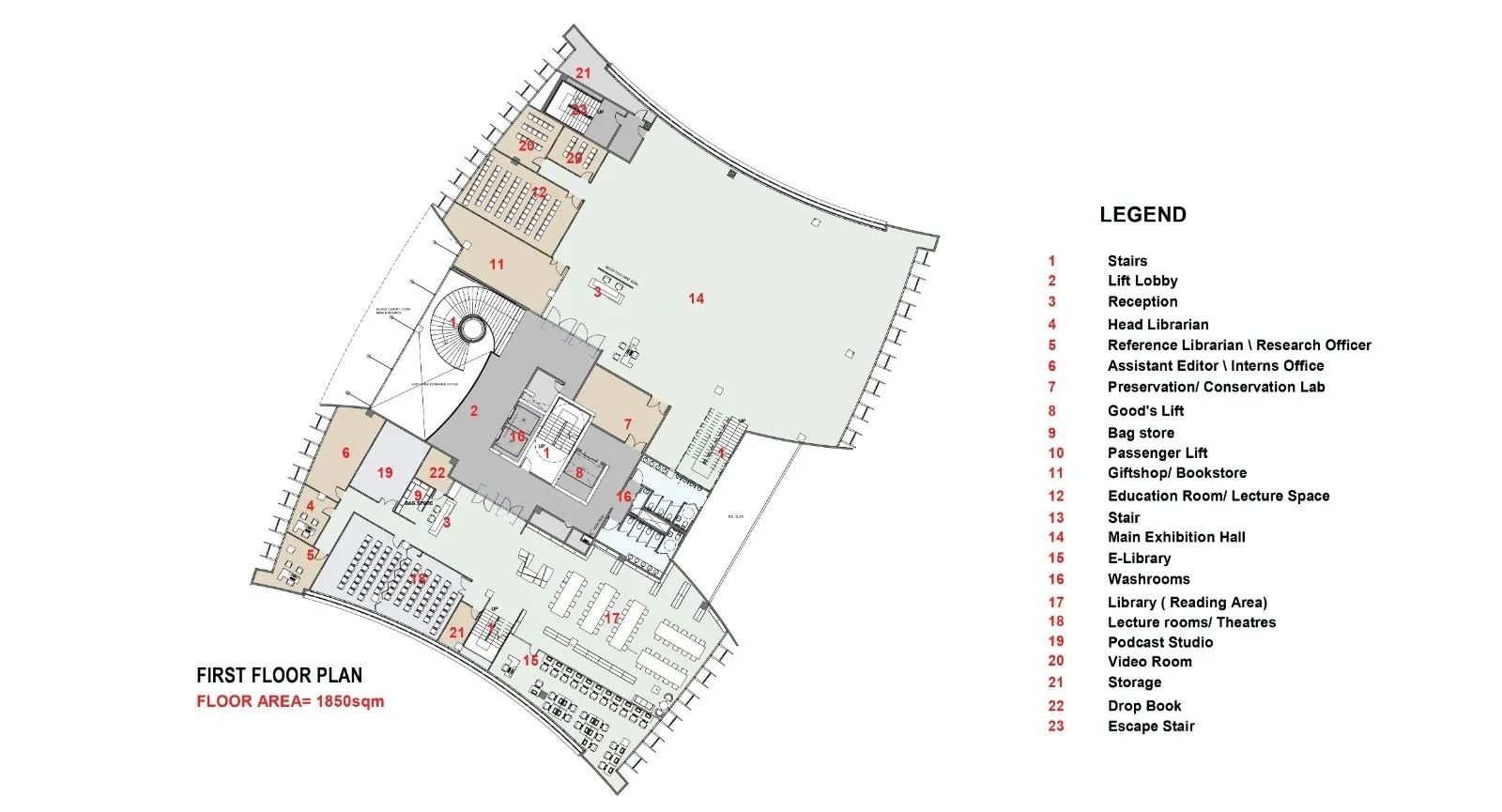
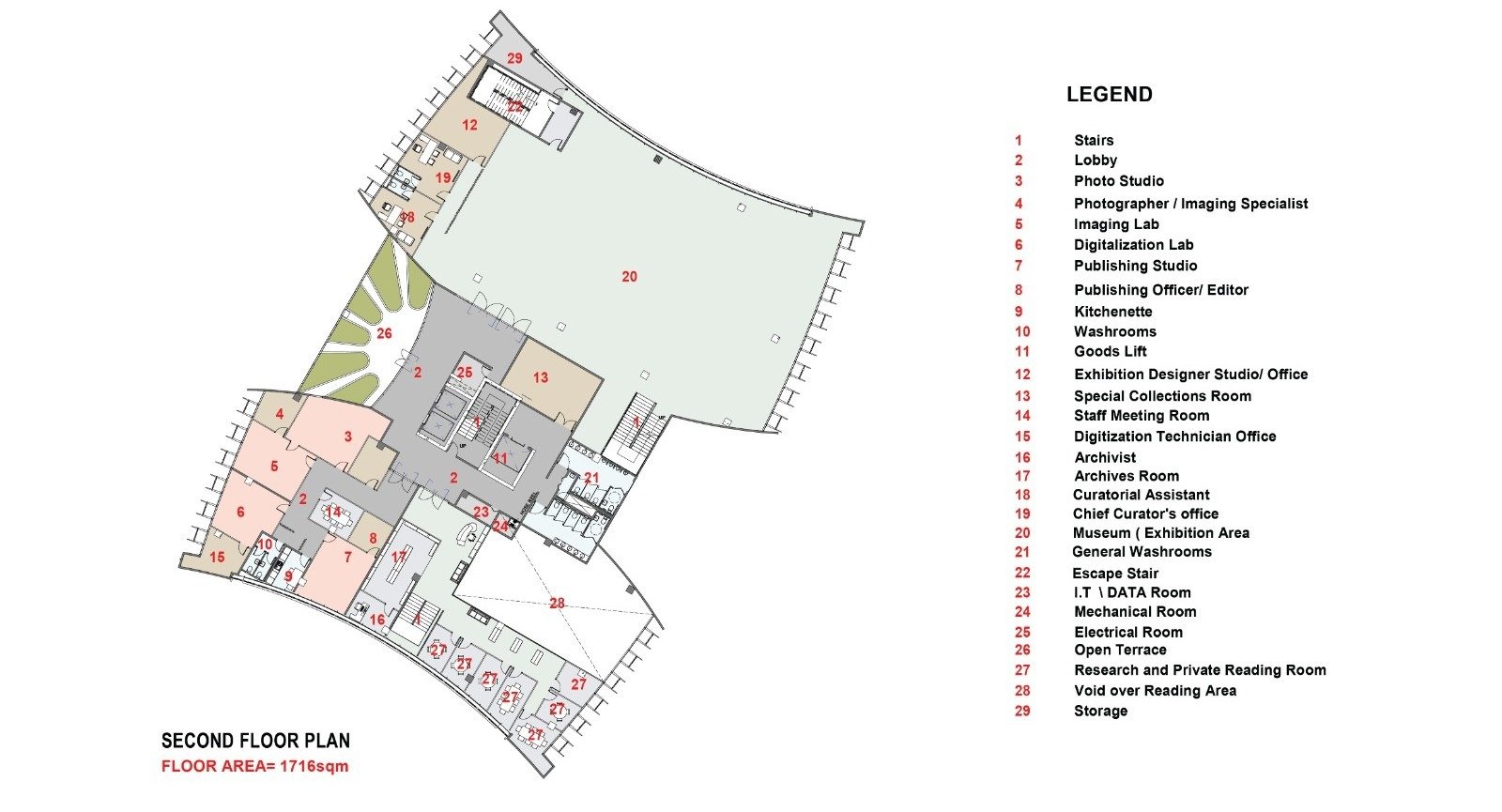
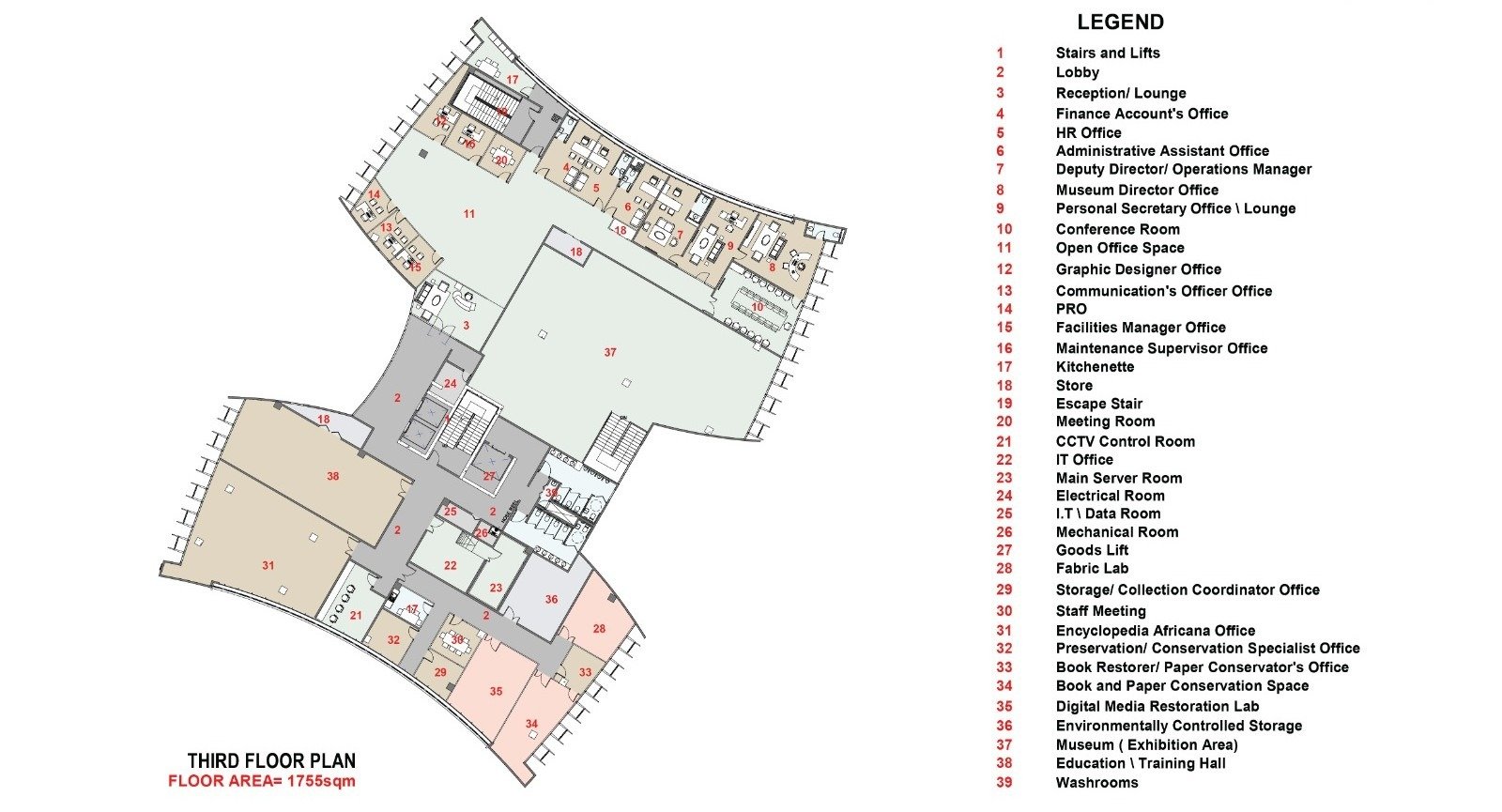
The W.E.B. Du Bois Museum & Library Complex will rise on nearly four acres at the Du Bois Centre in Cantonments, Accra: a restored Bungalow, a new Mausoleum, a Museum, a Library, a Welcome Center, an Amphitheater, underground parking and a 50-room Scholars Residence. Renderings and floor plans courtesy of the W.E.B. Du Bois Museum Foundation.