By Paul Jackson, Publisher
A reflection as we gather for Thanksgiving. We drive the culture and spend trillions. So why does the dollar leave our neighborhoods? Who built the wall, how it works, and what Black and forward-thinking Americans can do to bring it down.
In the years after communism fell, I lived and worked in Poland. I came with Rutgers University’s new media project in Poland, wrote copy and stood in as an editor at the Warsaw Voice, and started Spin Productions, a bridge that brought American culture and celebrations to Polish audiences. On Radio Colors I spun hip-hop as the host of ColorShock. I helped found Unimar Marketing Polska in Warsaw, where my partner, Ralph Gruniger, and I brought in such esteemed clients as PepsiCo, United Distillers and Puma, and I worked with the International Monetary Fund as the country remade its economy.
Before Poland, I was awarded a scholarship to study in the former Soviet Union. There I took part in open-market trading against the wishes of the authorities, saw firsthand the hunger of Georgians who were seeking their freedom, and witnessed the persecution of Christians. How ironic that Russia now presents itself as an Orthodox Christian nation, and that in 2016 Poland’s bishops, with the country’s president in attendance, proclaimed Christ as King of Poland.
The people I met had, on average, no idea how to take part in a market economy. For forty years the state had owned the shops, set the prices and decided who worked where. Yet within a few years I watched a remarkable change. A determined slice of the population, engineers, traders, former factory managers, took the reins, opened businesses and steered the country toward the Poland we know today, one of Europe’s great success stories.
How Moscow drained Poland
To understand that change, you have to understand what came before it. For more than four decades, the Soviet Union drained Poland from the top down and the bottom up. At the national level, the Red Army stripped factories, rail equipment and livestock and shipped them east as war trophies. Under a 1945 agreement, Poland had to sell the Soviet Union huge amounts of coal at a “special price” far below world value, robbing it of the hard currency it needed to rebuild. Moscow pressured Warsaw to turn down the Marshall Plan, cut it off from Western aid, and tied its trade to a bloc whose currencies were worthless in the West. Central planners poured money into steel and coal and starved housing, farms and the goods families needed.
In daily life, the drain was just as real. Shops, workshops and family businesses were taken by the state. Farmers were pressured into collectives and forced to sell their harvests at fixed prices. A 1950 currency reform wiped out much of what families had saved. Prices were fixed, so shelves were empty, and people spent hours in line while a black market thrived. And at Katyn in 1940, Soviet forces executed some 22,000 Polish officers and professionals, the very people a nation needs to build.
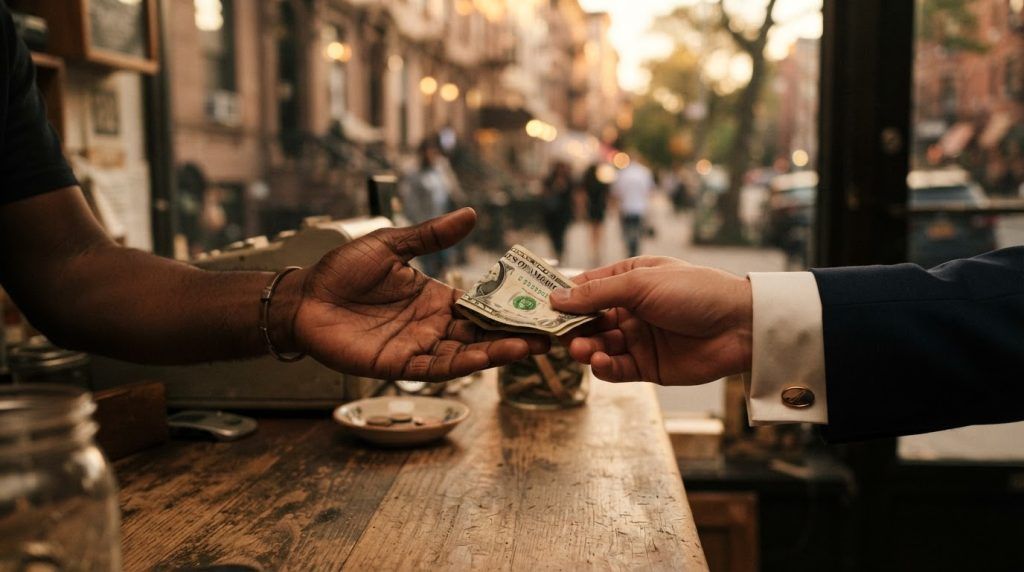
Picture a corner store. First the new boss walks in and carries off the shelves, the stock and the cash register. Then he rewires the building so that every dollar rung up at the counter lights his house across town instead of the shopkeeper’s. The family still opens every morning and still works every hour God sends, but the power, and the profit, flow somewhere else. That is what Moscow did to Poland. And it is what happens on our own blocks every time the dollar crosses the counter and never comes back.
Take the wealth that exists. Block the creation of new wealth. Remove the builders. Keep that pattern in mind, because we have lived it here at home.
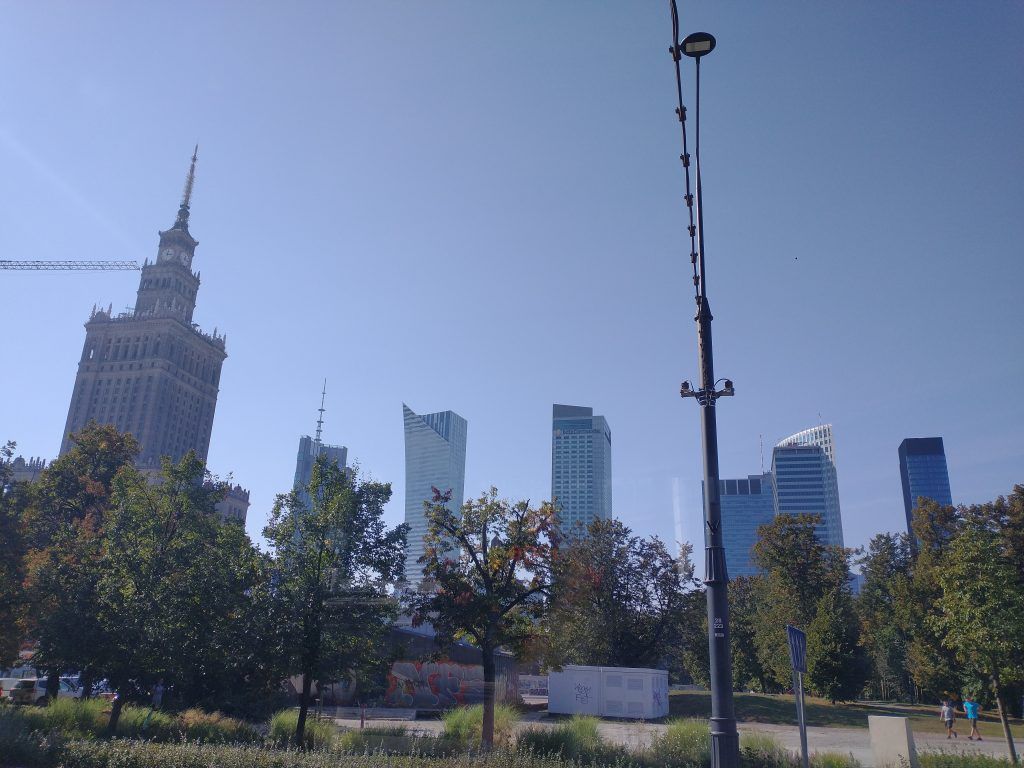
Poland has about 37 million people. The Census Bureau counts more than 51 million Black Americans. We are a nation larger than Poland, living inside America. We set the music, the fashion and the language the world imitates, and our buying power is estimated at about $2.1 trillion a year. Yet in 2023 Black Americans owned about 200,000 of the nation’s employer businesses, roughly 3.4 percent, while making up more than 14 percent of the population.
So the question is simple, and it deserves an answer without judgment: why don’t we own the shops?
Who built the wall, and when
It was built brick by brick. After the Civil War, the promise of “40 acres” was taken back, and sharecropping and convict leasing bound freed people to land and labor they did not own. Where Black Americans built anyway, the bricks were sometimes thrown through the windows.
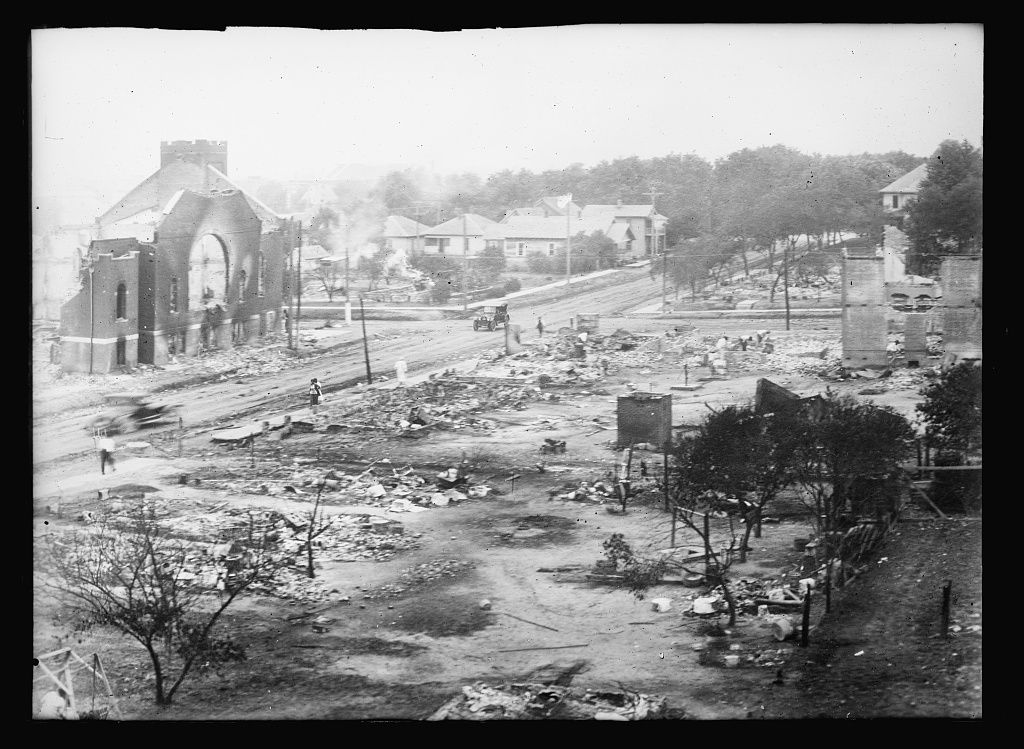
In Tulsa’s Greenwood district, Black-owned banks, groceries, hotels and theaters kept money moving from hand to hand. In 1921 a white mob burned some 35 blocks and killed as many as 300 people. Insurers denied the claims. Greenwood rebuilt, and decades later urban renewal and a highway finished the job. The last survivors’ lawsuit was dismissed in 2024. Nobody was ever paid.
And Greenwood was not a one-off. Wilmington, North Carolina, in 1898. Elaine, Arkansas, in 1919. Ocoee, Florida, in 1920. Rosewood, Florida, in 1923. In the “Red Summer” of 1919 alone, white mobs attacked Black communities in dozens of cities. Hundreds of Black towns and neighborhoods were burned, emptied or driven out, and the historian James Loewen documented thousands of “sundown towns,” where Black people were not allowed to remain after dark.
We are still living under the spirit of those towns, and sometimes under their laws. Racial covenants that barred Black families from buying homes still sit in property deeds across the country, unenforceable since 1948 but never erased in many places. The map of who owns what today was drawn, in large part, by who was allowed to stay.
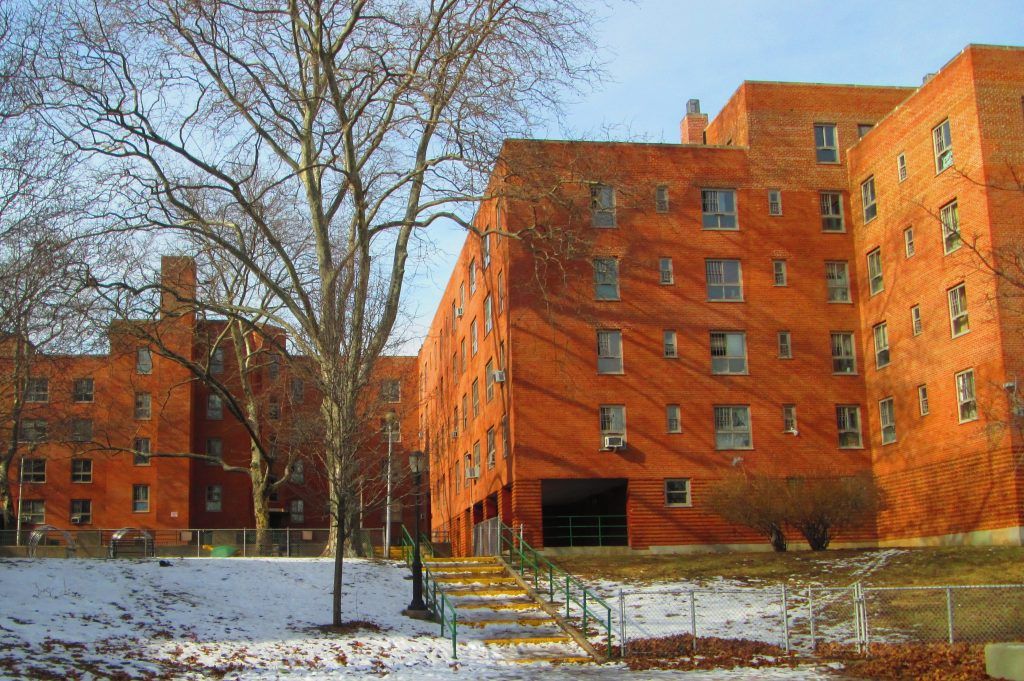
Then came the quieter bricks. In the 1930s, federal maps marked Black neighborhoods as hazardous, so banks would not lend there. Public housing gave families a roof, but as renters, not owners, and new highways cut through Black business districts across the country.
How the dollar walks out the door
You may have heard that a dollar stays in the Black community for only six hours. Fact-checkers at Howard University’s TruthBeTold project could find no basis for that number. The real problem is easier to measure: ownership. When the landlord, the supermarket chain, the bank and the building all belong to someone who lives elsewhere, rent, profit and interest leave the block every month, no matter how carefully a family spends. Many of us work 60 or 80 hours a week and still cannot get ahead, because we are paying into a system we do not own.
Towns that run on Black energy
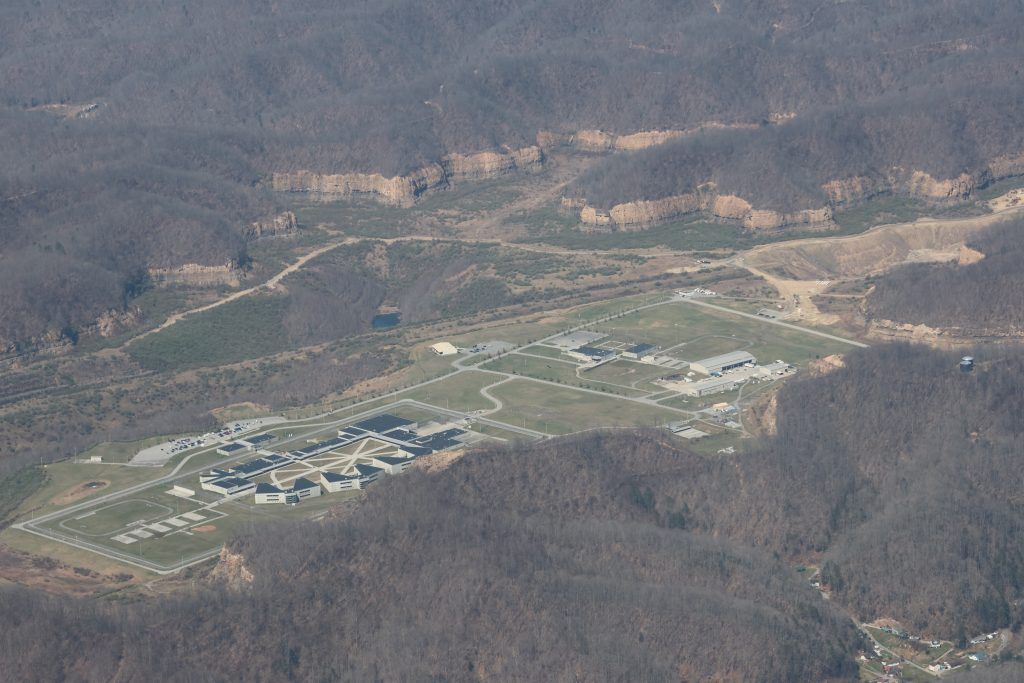
Nowhere is this clearer than in our prisons. Black Americans are about 12 percent of the population but 32 percent of people sentenced to state and federal prison. The Census counts incarcerated people where they are locked up, often in rural, mostly white towns, which swells those towns’ populations for state funding and political representation. One study found New York’s rural counties with prisons received state funding at a 46 percent greater rate than those without. A Brennan Center report this year found that counting people at home would create 14 more Black-majority legislative districts in just 11 states. When a town’s payroll depends on a prison, it has an economic stake in full cells. That is not a moral judgment. It is an incentive, and incentives shape laws.
The hustle is not the problem
They call us lazy and criminal. Look closer. A young man running a corner operation is managing supply, pricing, credit, risk and staff. Economist Robert Fairlie found that people who had sold drugs were more likely than others to later become legitimate business owners. The entrepreneurial talent is already there. What is missing is the on-ramp.
What our neighbors did
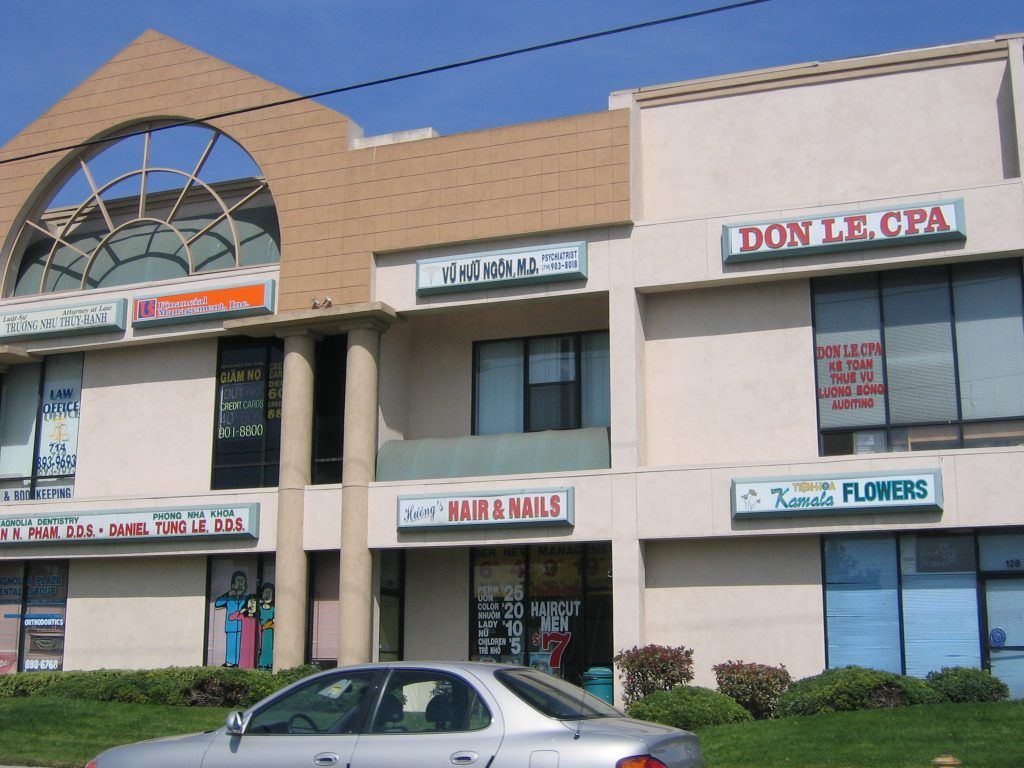
I recently watched Southeast Asian families living and thriving together. Many of their parents arrived as refugees after 1975 with almost nothing. What they had was structure: rotating savings circles, called hụi in Vietnamese, in which families pool money every month and take turns using the pot to open a salon, a restaurant or a building. We know this tool. Our grandparents called it the susu, carried here from West Africa and the Caribbean. The difference is not character. It is pooled capital and trust, put to work on purpose.
How we break free
Freedom has to come on three fronts. Psychologically, we have to stop believing the story told about us: that we are consumers, not owners; that the hustle is a flaw instead of a gift waiting for an on-ramp. Physically, we have to own the ground we stand on, the buildings, the land and the institutions on our own main streets. Economically, we have to pool our capital and keep it working among us long enough to build something that lasts.
And we cannot turn our backs on the millions upon millions among us who still need to be fed, housed and guided toward real truth and real information. A people does not rise by leaving its weakest behind. Every family we lift is another owner, another customer, another builder.
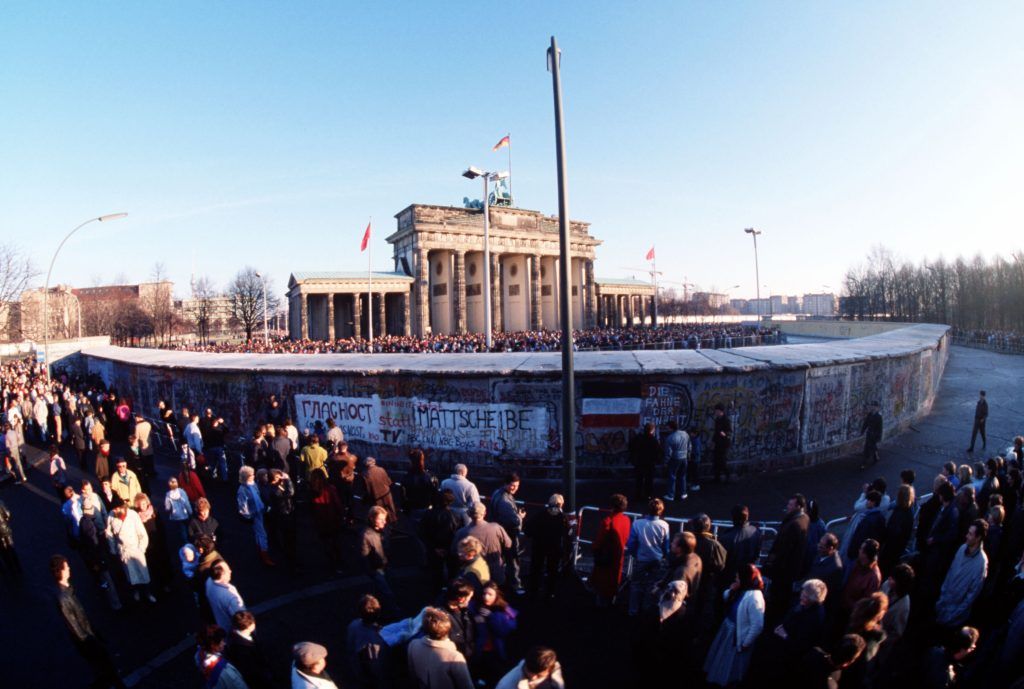
Our Berlin Wall
Is there a Berlin Wall in Black America? Yes, and it has three sections. The first is capital: in 2022 the median white household held about $285,000 in wealth and the median Black household about $45,000, according to the Federal Reserve, so there is little family money to start a business. The second is ownership: we rent the storefronts on our own main streets. The third is the record: a conviction can bar a person from a license, a loan or a lease for life. Poland’s wall fell when freedom met three tools: capital, training and the right to own. We need the same.
What we can do
- Pool our capital. Bring the susu into the digital age, and bank with Black-owned banks and credit unions. Carver Federal Savings Bank opened on 125th Street in 1948 and is still here.
- Buy the building, not just the business. Community land trusts and cooperatives let neighbors own the ground floor.
- Open the on-ramp for returning citizens. Seal old records, open licenses and back second-chance lending and business training.
- Count people at home. New York already ends prison gerrymandering for its own maps; every state should.
- Spend with intention, and measure ownership. Count how many storefronts on our main streets are owned by people who live here.
- Mentor. Black America now has millions of college graduates. Like the advisers and entrepreneurs I worked beside in Warsaw, we can teach the next owner how the market works.
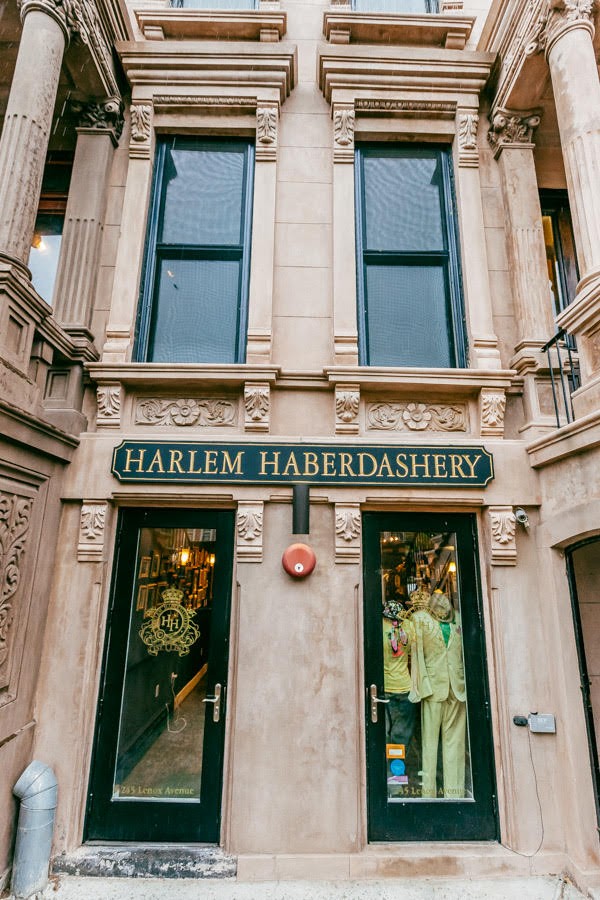
I saw people who had never owned anything become owners within a few years. We have those people. They want to work. In the spirit of Sankofa, we can reach back to Greenwood and the susu, and reach forward to a new Renaissance, one built on ownership. When our wall comes down, our gifts will flower not only for Black America, but for all of America.
As we gather around our tables this Thanksgiving, let us give thanks for those who built before us, and ask what we will build for those who come after.
We want to hear from you. Why don’t we own the shops, and what will it take to change that? Leave a comment below, and share this story with the people at your table. Tag us @HarlemTimesNews on X and @theharlemtimes on Instagram.
Sources: U.S. Census Bureau (population and Annual Business Survey); Selig Center for Economic Growth via Nielsen (buying power); Bureau of Justice Statistics, Prisoners in 2022; Brennan Center for Justice (February 2026); London School of Economics USApp; Federal Reserve Survey of Consumer Finances 2022; TruthBeTold.news, Howard University; Robert Fairlie, Journal of Labor Economics; James W. Loewen, Sundown Towns. Top illustration by THT Media Lab. Prepared with help from THT Media Lab.