By THT World Desk
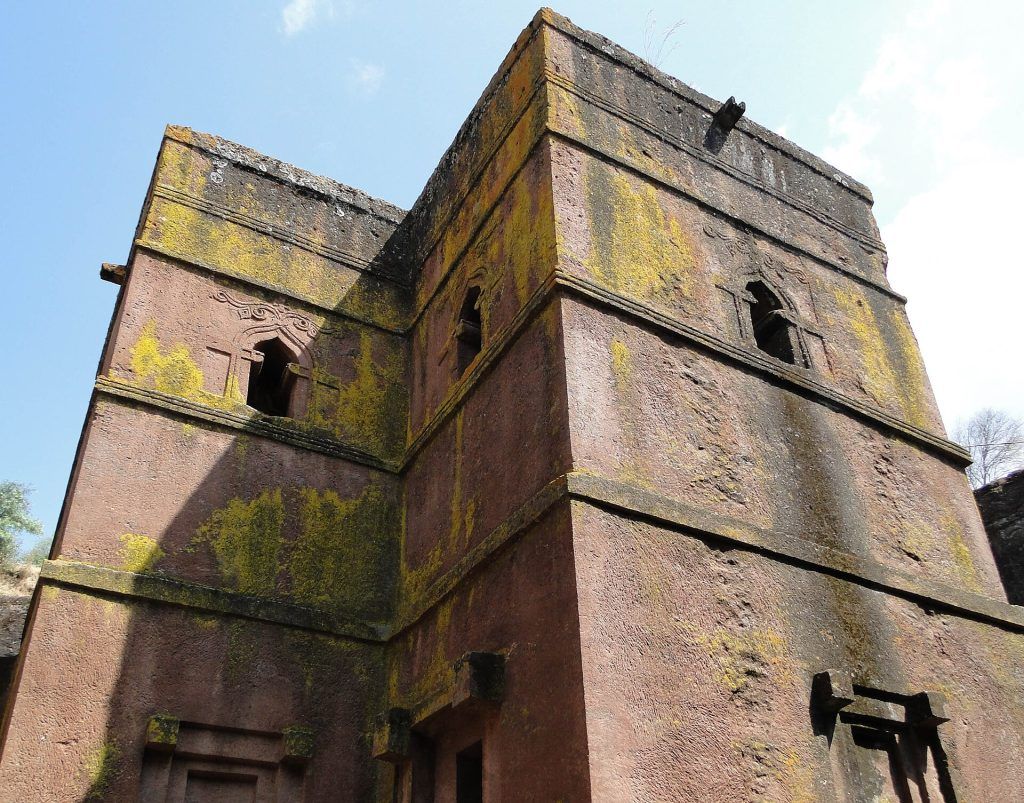
Top photo: Bete Giyorgis, the Church of Saint George, carved downward out of a single block of rock at Lalibela. Photo: Bernard Gagnon, public domain, via Wikimedia Commons
The Harlems of the World · East Africa
“When spider webs unite, they can tie up a lion.”
Ethiopian proverb
From The Harlem Times: Uptown, the name is already familiar. In 1808, Black worshippers at the First Baptist Church in lower Manhattan were told to sit in a segregated section. They refused, walked out and founded their own congregation: Abyssinian Baptist Church, now on West 138th Street, named for Abyssinia, the old name for Ethiopia. By the church’s own tradition, visiting Ethiopian merchants stood with them that day and would not accept segregation in the house of God. Two centuries later, Ethiopia is still a point of pride for the whole diaspora: the African nation that defeated an invading European army and kept its independence, the home of one of the oldest Christian traditions on earth, and the place where coffee began. This is our Country of the Week.
Lalibela: a New Jerusalem cut from the rock
From The Harlem Times: In the highlands of northern Ethiopia, around the 12th and 13th centuries, King Lalibela set out to build a New Jerusalem in Africa. His builders did not stack stone on stone. They carved downward, cutting eleven churches out of the living volcanic rock: walls, windows, columns, roofs and all, each from a single mass. The most famous, Bete Giyorgis, the Church of Saint George, sits in a pit about 40 feet deep, shaped like a cross when you look down on it from above.
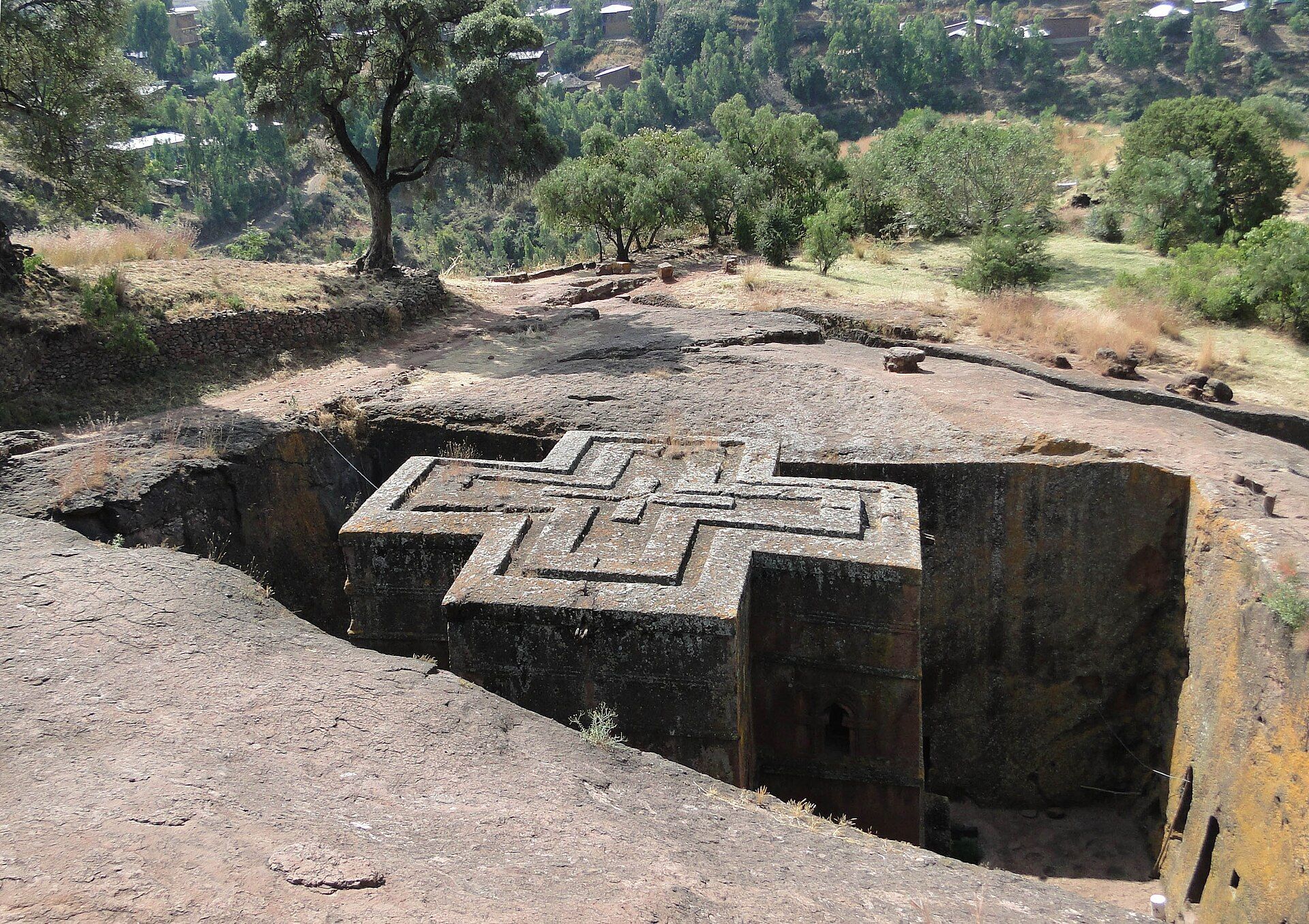
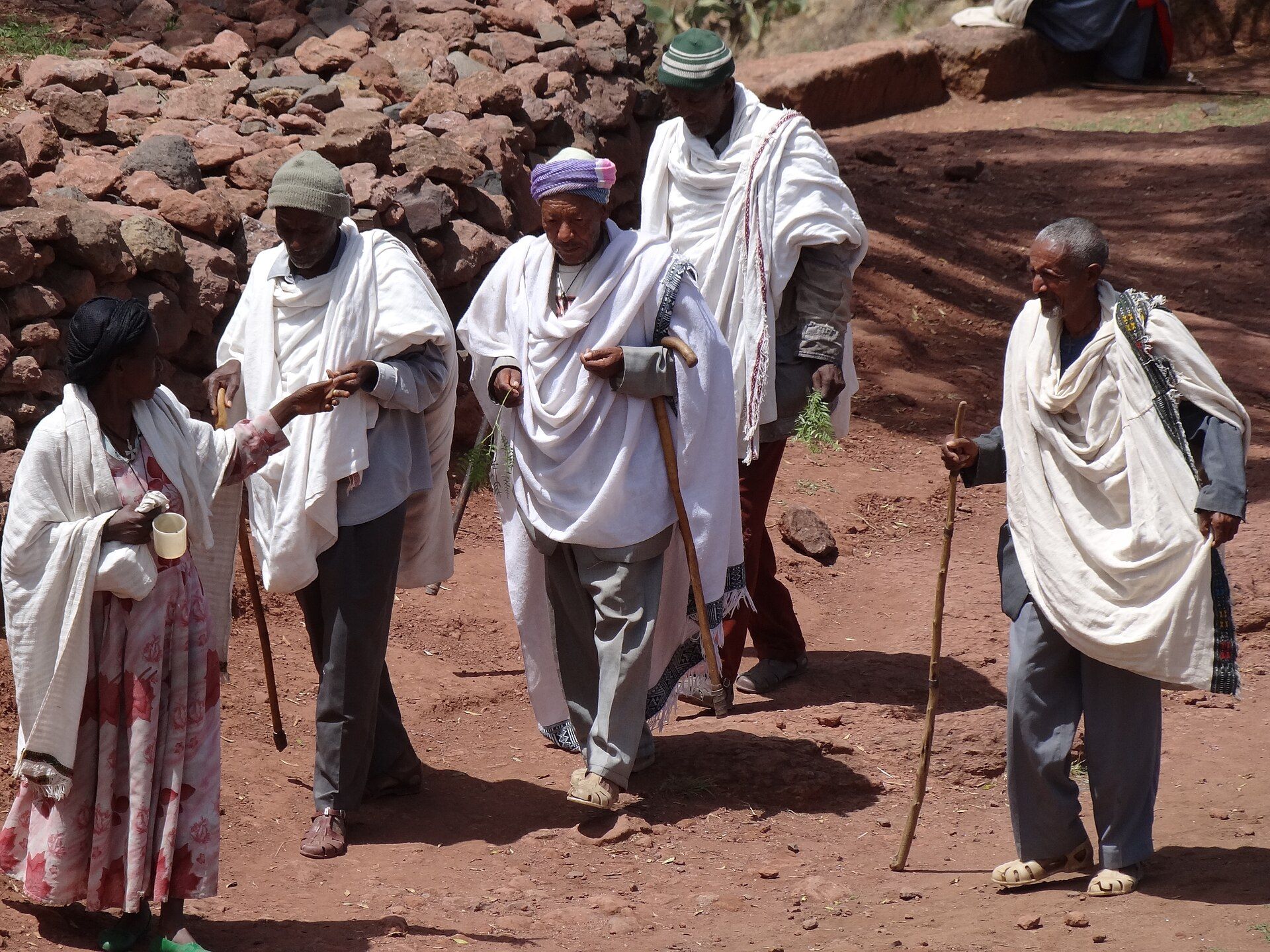
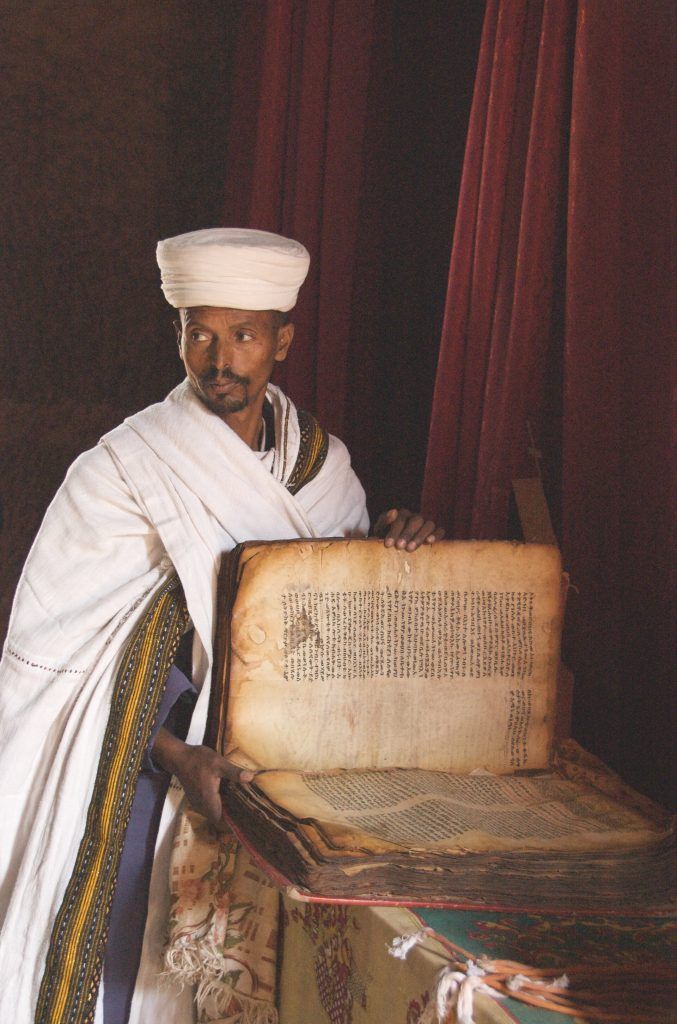
Lalibela is not a museum. Its churches are still places of worship, tended by priests who guard illuminated manuscripts written in Ge’ez, the ancient language of the Ethiopian Orthodox Church. On holy days, thousands of pilgrims dressed in white fill the trenches and passageways. UNESCO listed the Rock-Hewn Churches of Lalibela among the very first World Heritage Sites, in 1978.
Aksum: one of the great powers of the ancient world
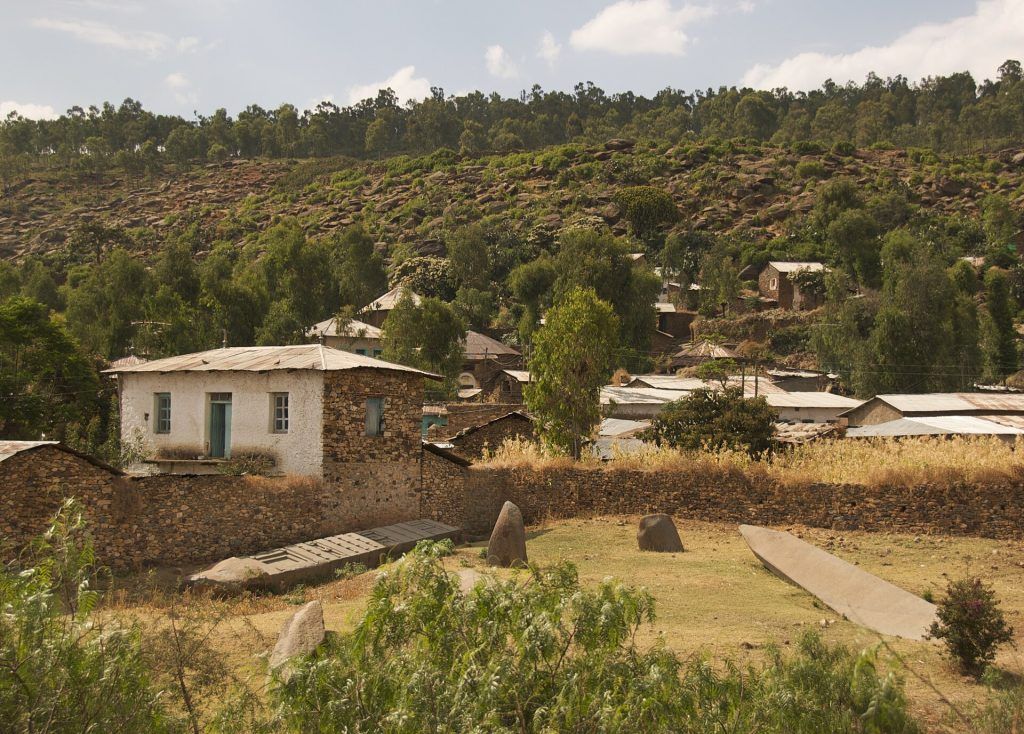
From The Harlem Times: Long before Lalibela, the Kingdom of Aksum ruled the Red Sea trade from the northern highlands. It minted its own gold coins, wrote in its own script, and was counted by ancient writers among the great powers of its day, alongside Rome, Persia and China. In the 4th century, its King Ezana embraced Christianity, making Aksum one of the first Christian states in the world. The towering carved stelae it raised still stand in Aksum today.
Adwa: the victory the world remembers
From The Harlem Times: On March 1, 1896, at Adwa, Emperor Menelik II and Empress Taytu led Ethiopian forces to victory over an invading Italian army. In an age when European powers were carving up the continent, an African nation had defended its sovereignty. Italy later occupied the country from 1936 to 1941, but Ethiopia was never made a colony, and its flag colors of green, gold and red became a symbol of freedom across Africa and the diaspora. Today Addis Ababa, the capital, is home to the African Union.
Castles, mountains and the cradle of humankind
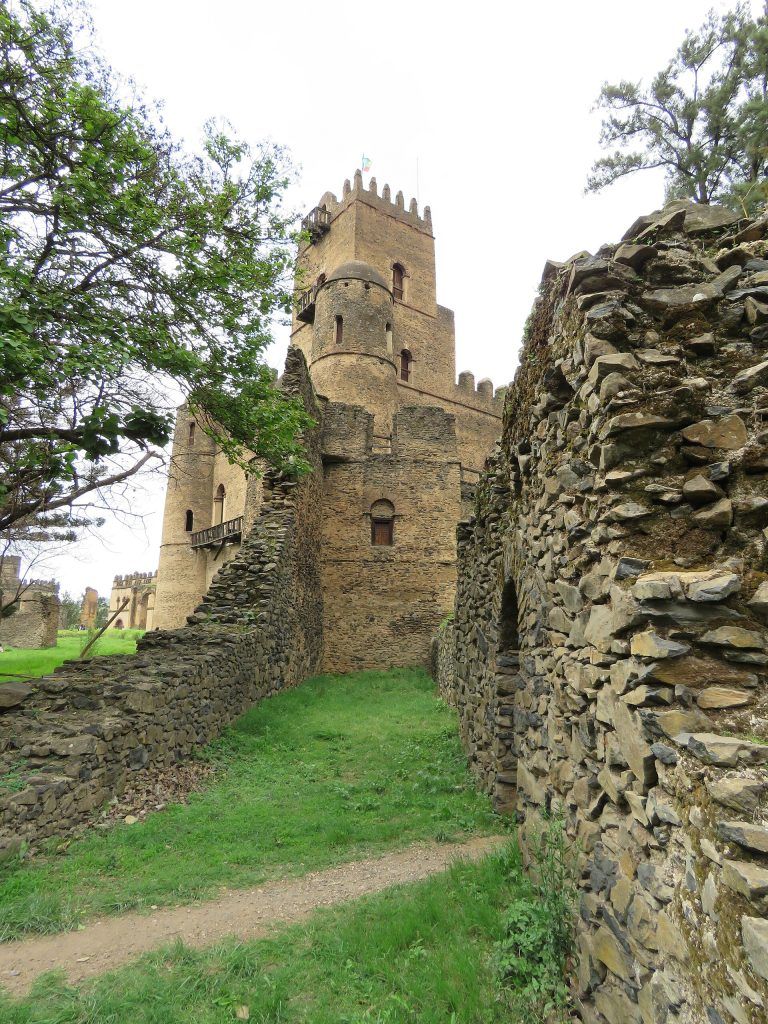
From The Harlem Times: Gondar’s royal enclosure, Fasil Ghebbi, holds the 17th-century castles of Emperor Fasilides and his successors. The Simien Mountains, a World Heritage Site, are home to the gelada and the Walia ibex, found nowhere else on earth. And in the Awash Valley, scientists found “Lucy,” known in Ethiopia as Dinknesh, one of our earliest known ancestors. Ethiopia now has 12 UNESCO World Heritage Sites, more than any other country in Africa, including the walled city of Harar and the coffee-shaded terraces of the Gedeo highlands.
Where coffee began
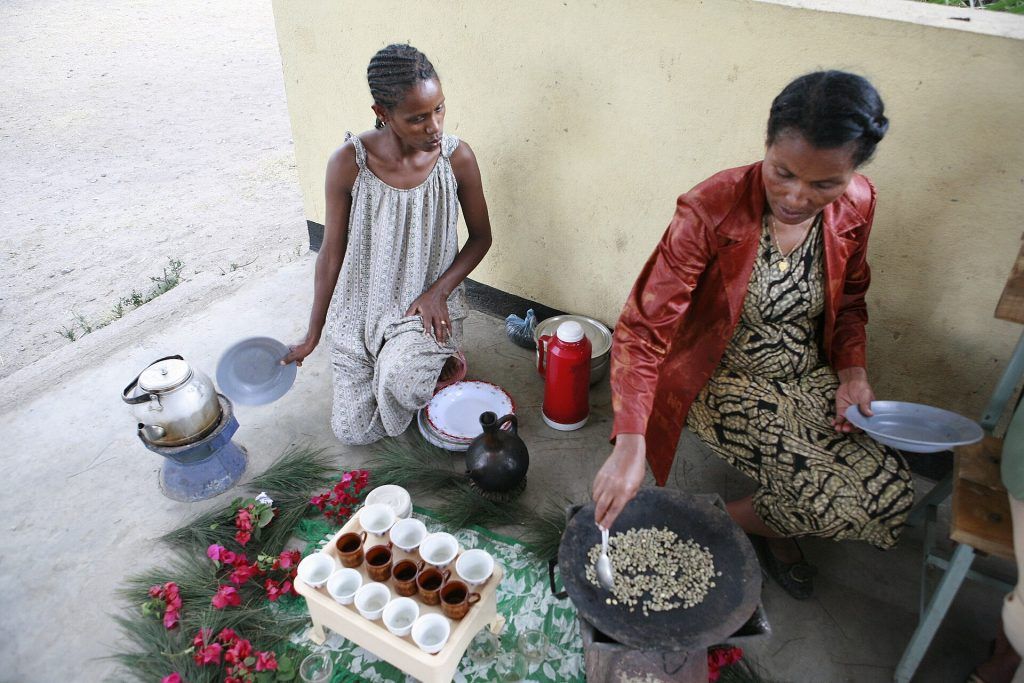
From The Harlem Times: Coffee comes from Ethiopia, and so does one of the world’s great rituals of hospitality. In the coffee ceremony, the beans are roasted by hand, ground and brewed in a clay pot called a jebena, then served in three rounds while frankincense burns. It can take an hour. That is the point: it is time set aside for neighbors and guests.
A country the world is rediscovering
From The Harlem Times: Visitors are returning. UN Tourism counted Ethiopia among the fastest-growing destinations in the world in 2025, with international arrivals up 15 percent, and the government reports more than 1.4 million foreign visitors in its 2025/26 fiscal year. Ethiopian Airlines, Africa’s largest carrier, links Addis Ababa with the United States and much of the continent.
Before you travel
The U.S. State Department currently rates Ethiopia at Level 3, “Reconsider travel,” citing unrest, crime and other risks, and advises against all travel to some regions. Conditions vary widely from place to place and can change quickly. Before you book, read the current advisory at travel.state.gov, enroll in the Smart Traveler Enrollment Program (STEP), and check with your tour operator about the specific places you plan to visit. This story is about Ethiopia’s history and culture and is not travel or safety advice.
If you go
Most visitors fly into Addis Ababa’s Bole International Airport. U.S. citizens need a visa; Ethiopia’s official e-visa portal is evisa.gov.et. Many travelers time a trip to Lalibela for Genna, Ethiopian Christmas, on January 7, or for Timkat, the Epiphany festival, in mid-January, when the churches fill with pilgrims. In Addis, visit the National Museum to meet Lucy, the Holy Trinity Cathedral, and Unity Park, and finish the day with a coffee ceremony.
Get the Country of the Week in your inbox every Friday, free: subscribe to The Harlem Times Weekly. Share this story and tag us @HarlemTimesNews on X and @theharlemtimes on Instagram.
More from The Harlem Times: Country of the Week: Antigua and Barbuda · Country of the Week: Suriname · Maat: Beginning in Nubia
Sources: UNESCO World Heritage Centre; U.S. Department of State; UN Tourism data as reported by the Ethiopian News Agency and AllAfrica. All text is by The Harlem Times. Prepared with help from THT Media Lab.