Geography 2050: Africa Shaping Tomorrow
For two days at the Schomburg Center, the scholars, builders and dreamers mapping Africa’s next quarter-century gathered in the heart of Harlem. Four of them left with the medals geographers call the Nobel prizes of their field.
The MedalistsThe people drawing Africa’s map for 2050
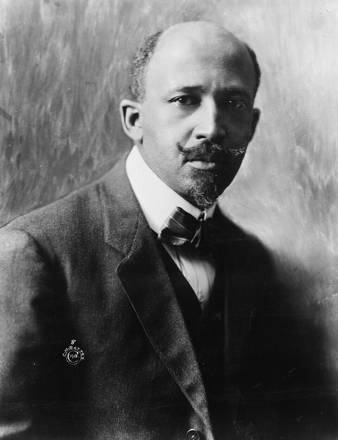
The American Geographical Society honored four leaders whose work runs from the classroom to the farm field to the satellite image. Each sat down with The Harlem Times. Their answers follow in their own words.
By mid-century, roughly one in four people on Earth is expected to be African, and most will live in cities like Lagos that are still being drawn. That is why the medalists say the map matters.
Lagos, Nigeria. Photo: Clara Sanchiz, CC BY-SA 2.0
A New York Institution175 years of mapping the world from Manhattan
The American Geographical Society was founded in 1851, with a rescue mission at its start: members hoped to find the lost Arctic explorer Sir John Franklin. The search failed, but the Society kept going, and it never stopped looking outward.
- EARLY 1900s The Society made its home at Audubon Terrace, 156th Street and Broadway, a short walk from Harlem.
- 1919 Its director, Isaiah Bowman, carried the Society’s maps to the Paris Peace Conference with President Wilson.
- 1920–WWII It drew the Millionth Map of Hispanic America, 107 detailed sheets of Latin America.
- TODAY From Brooklyn, it trains teachers, backs AP Human Geography and runs TeenMaptivists, teaching open mapping in 20 high schools.
“Thinking Spatially for a Living”: AGS Chairman Chris Tucker in conversation with Matt Forrest. Video: American Geographical Society.
The Continent They’re MappingAfrica, rising and breathtaking
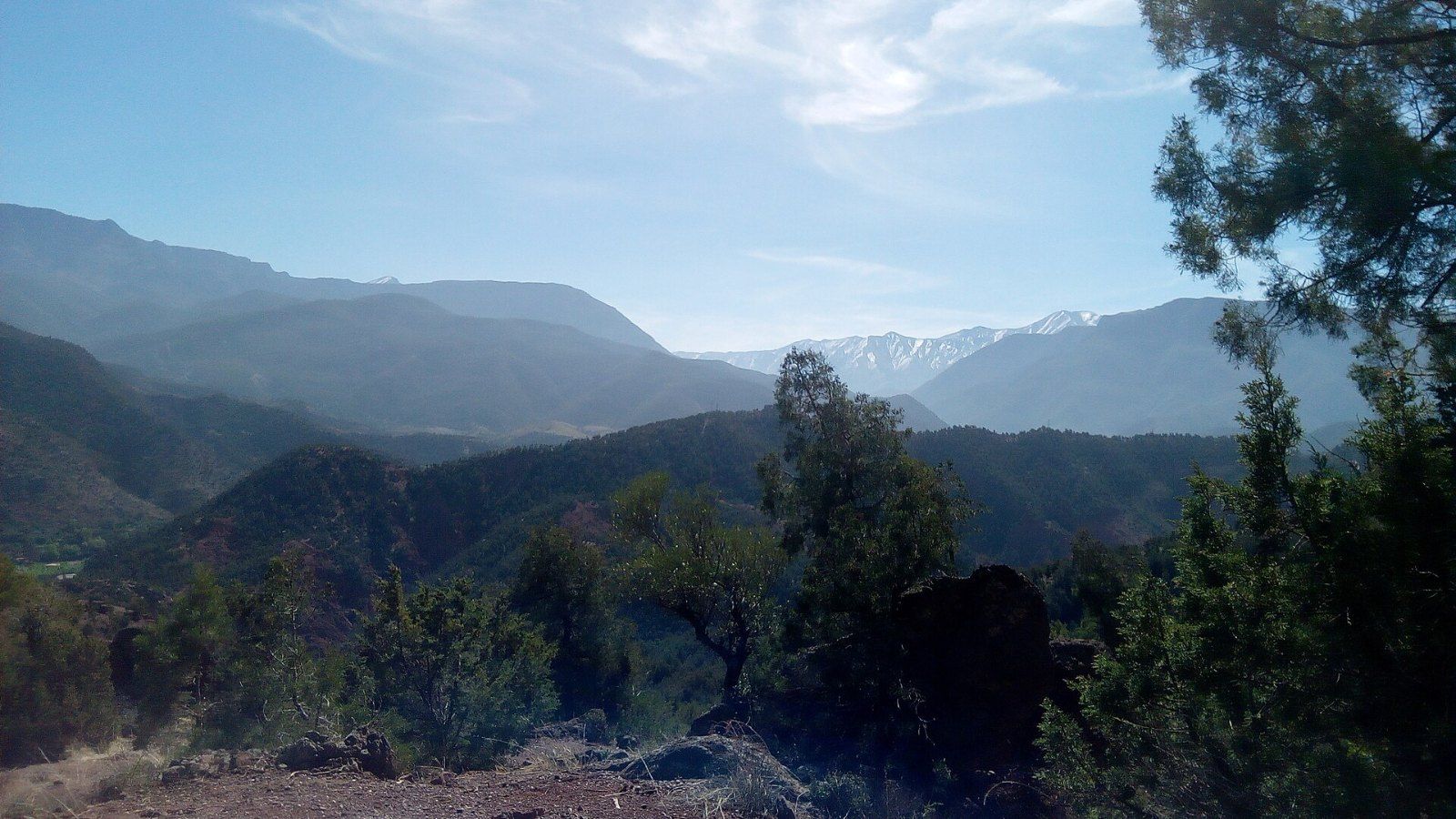
From glass towers on the Gold Coast to the oldest dunes on the planet, this is the Africa the Geography 2050 medalists are planning for: young, urban, fast-growing and blessed with landscapes found nowhere else.
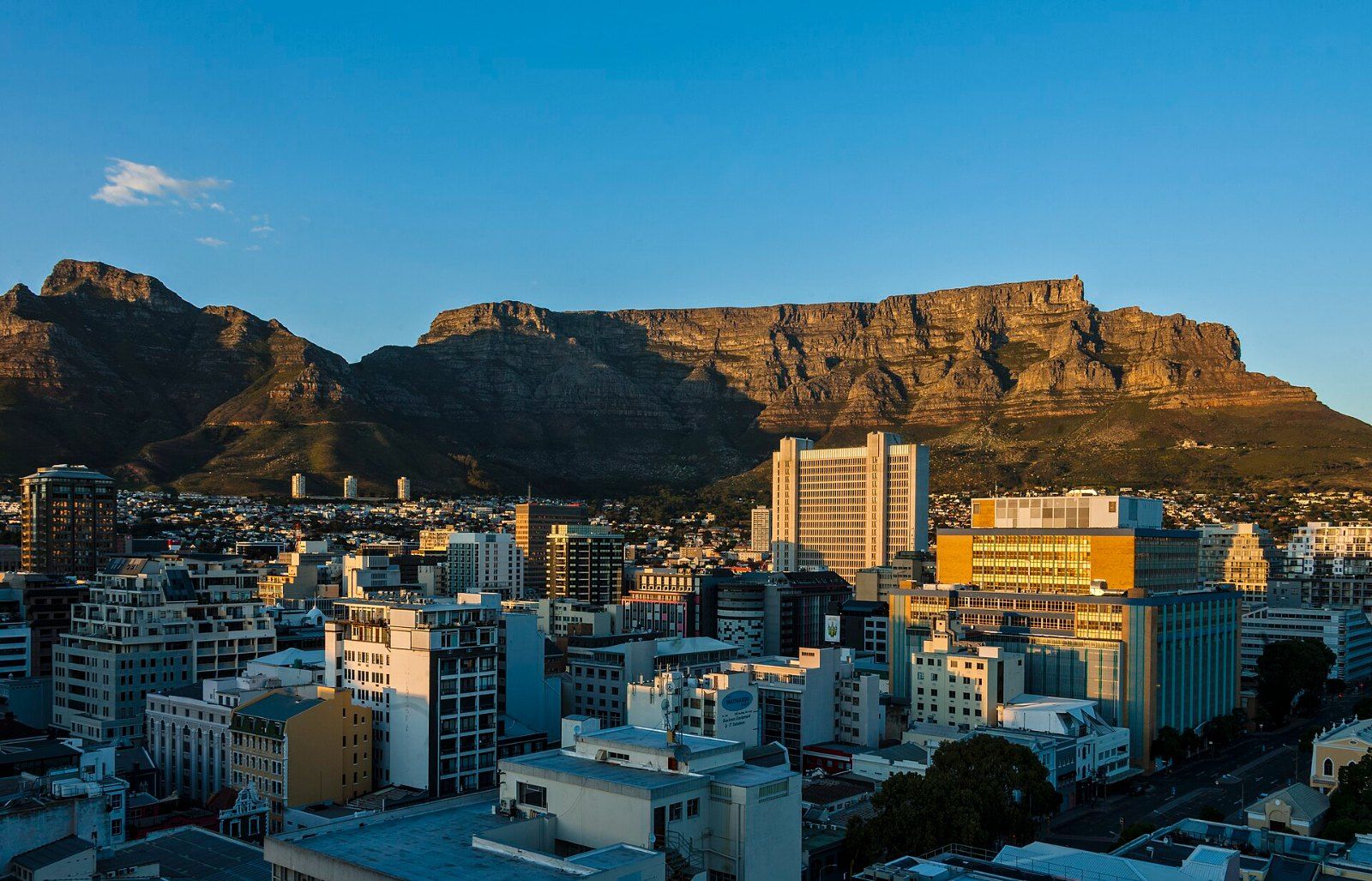
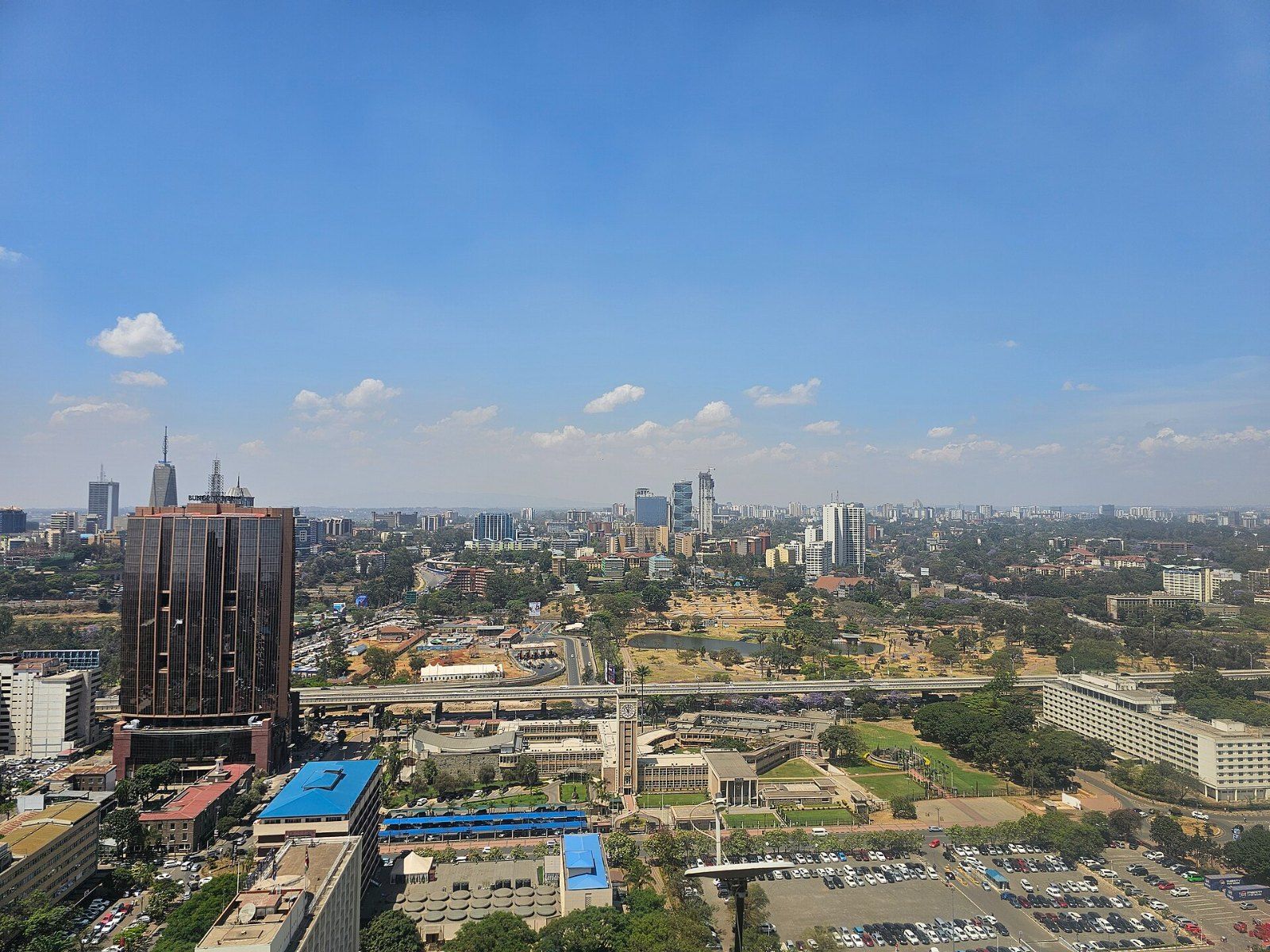
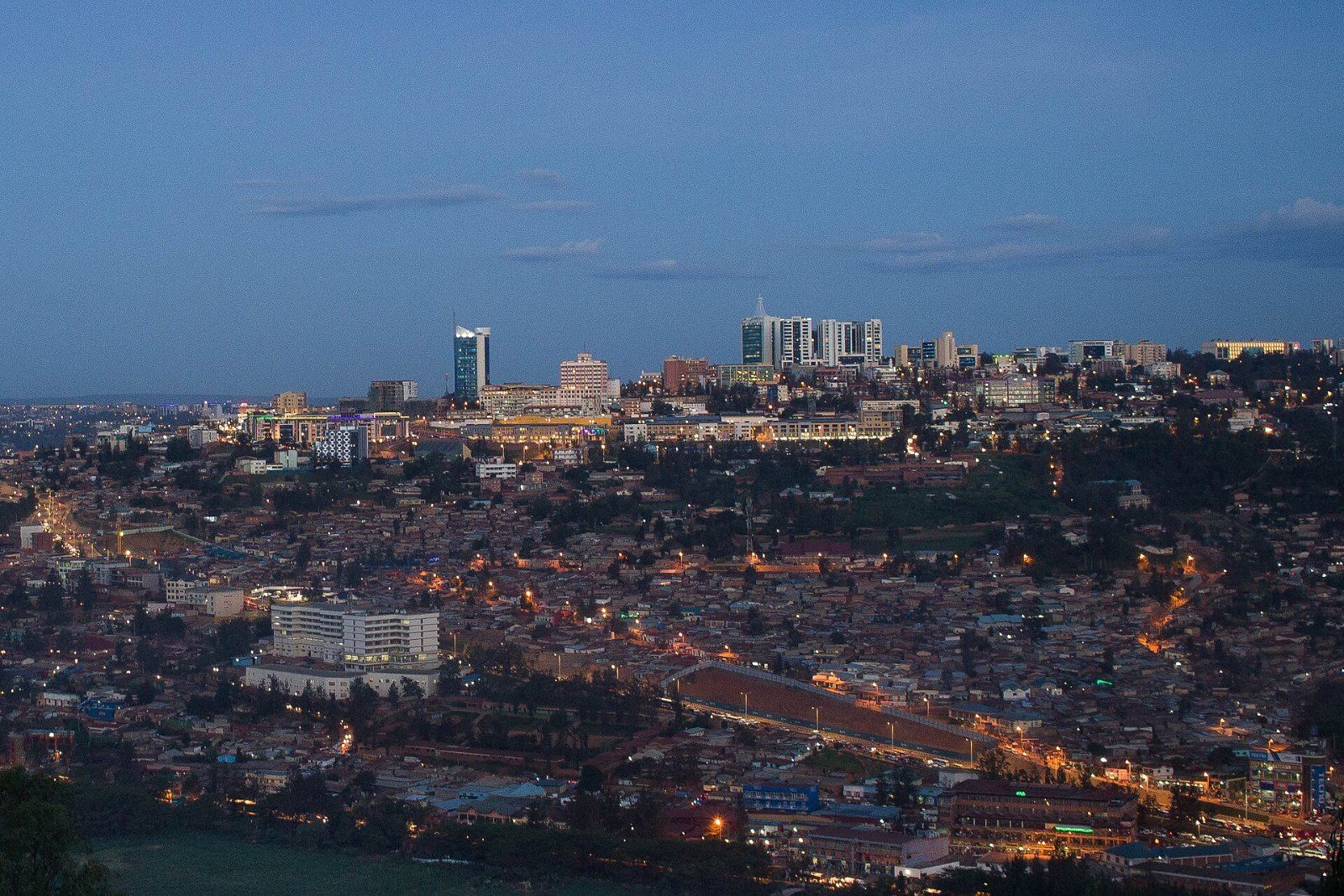


“Land is everything,” Dr. Agnes Kalibata told The Harlem Times. Here, the red dunes of Sossusvlei in Namibia’s Namib Desert, among the oldest deserts on Earth.
Dune 45, Sossusvlei, Namibia. Photo: Giles Laurent, CC BY-SA 4.0
Inside the SchomburgTwo days in pictures
Panels, medal presentations, African textiles and woven fans, and a room full of people who believe a map can change a future.
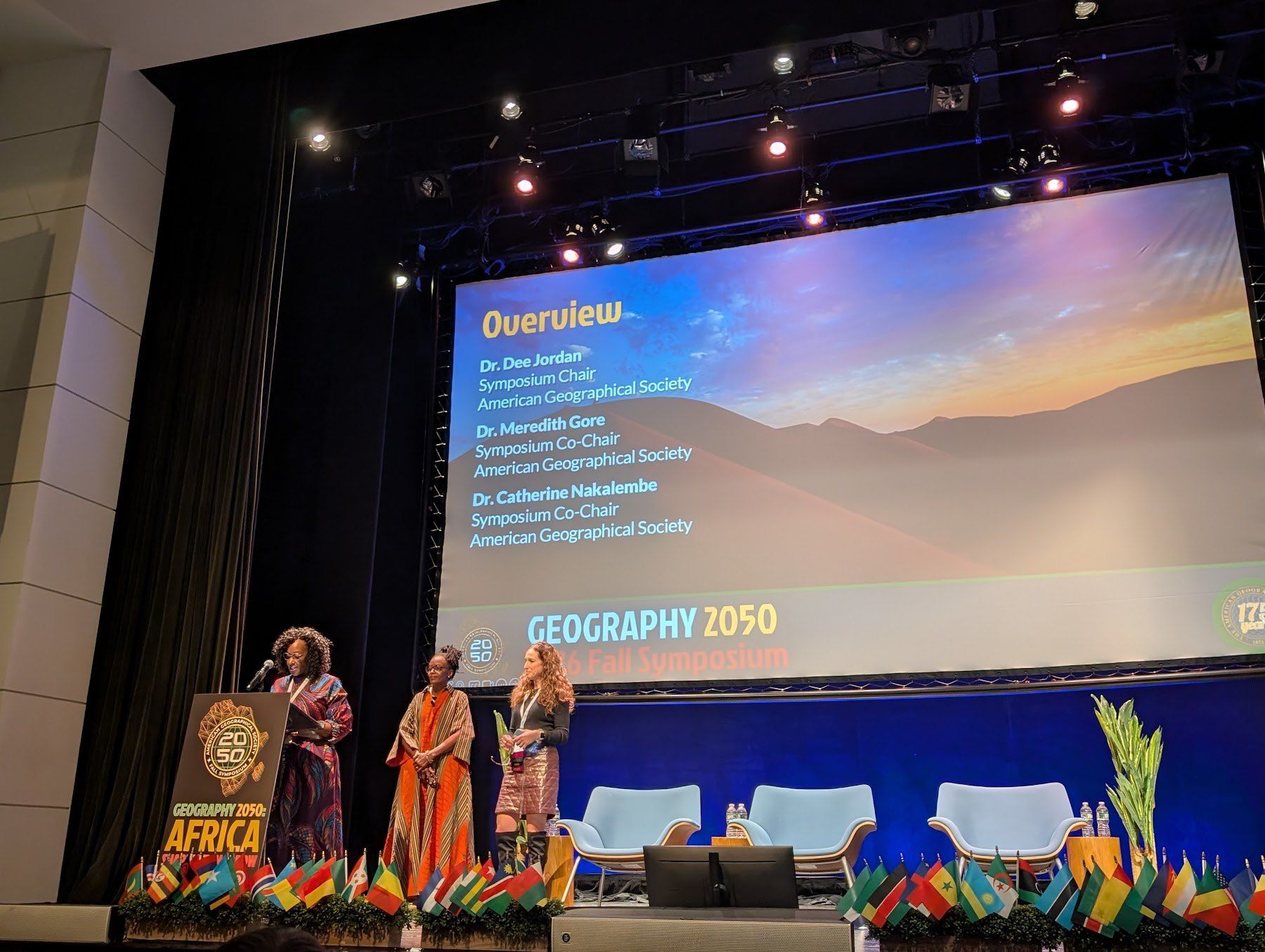
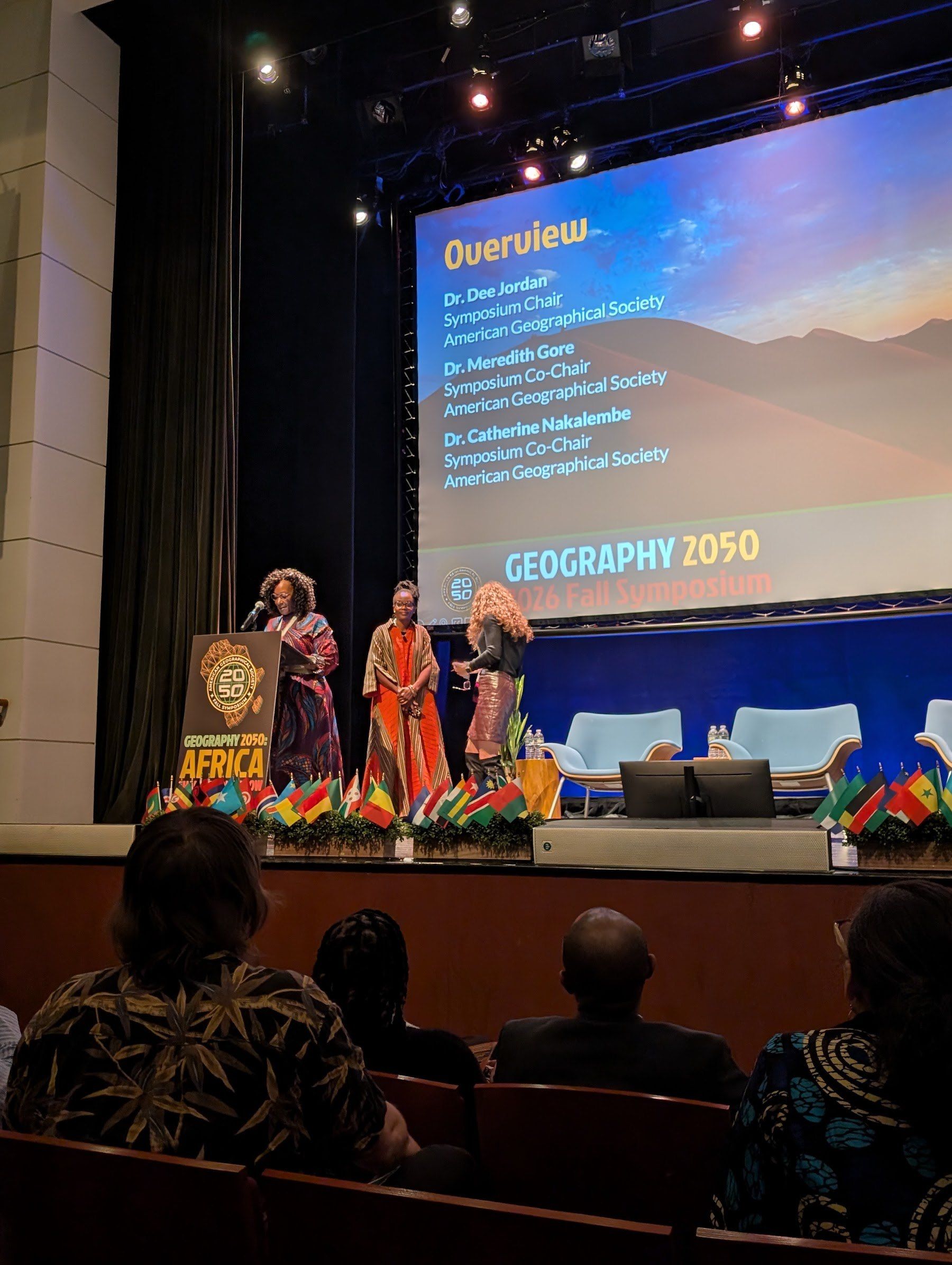
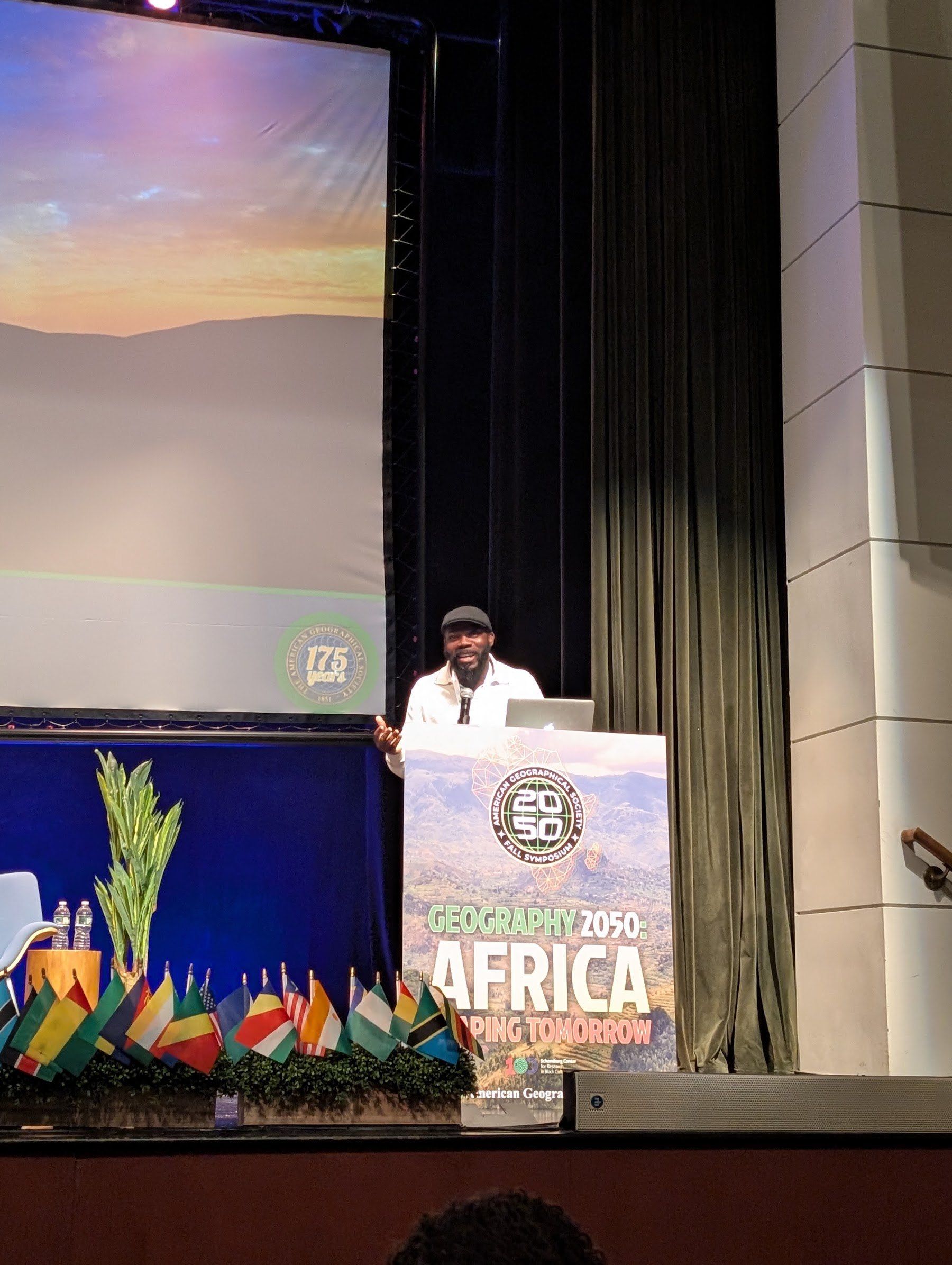
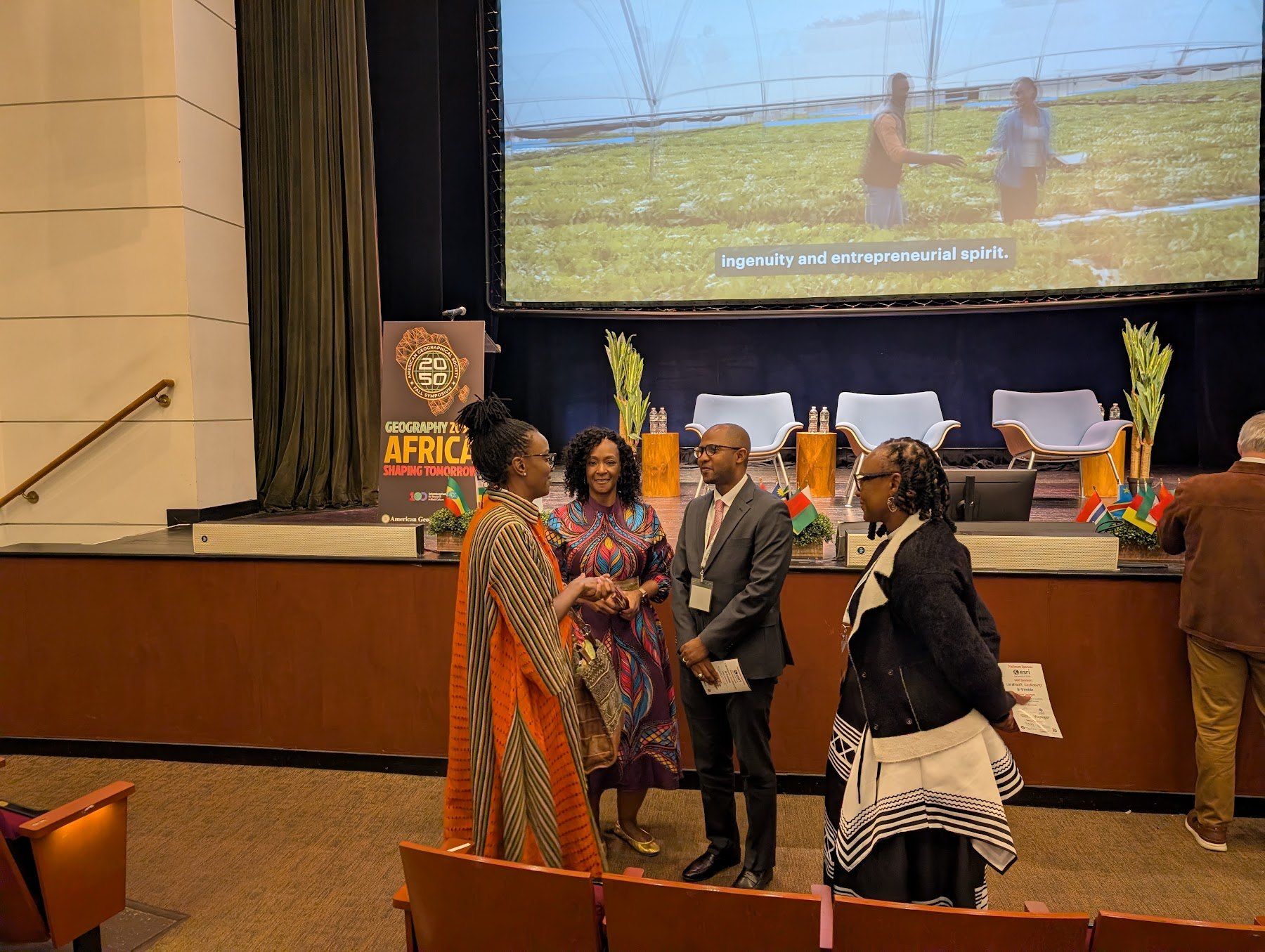
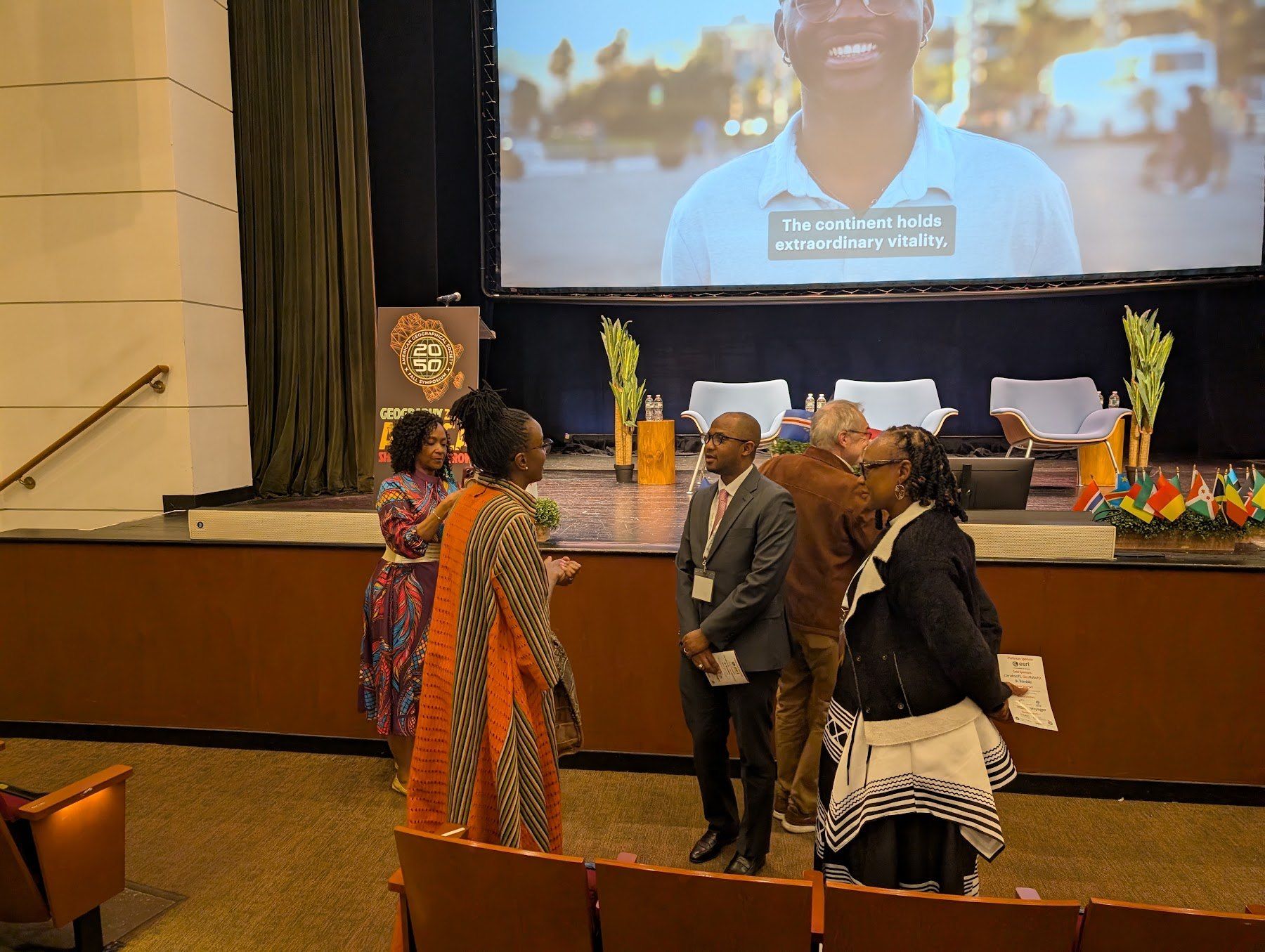
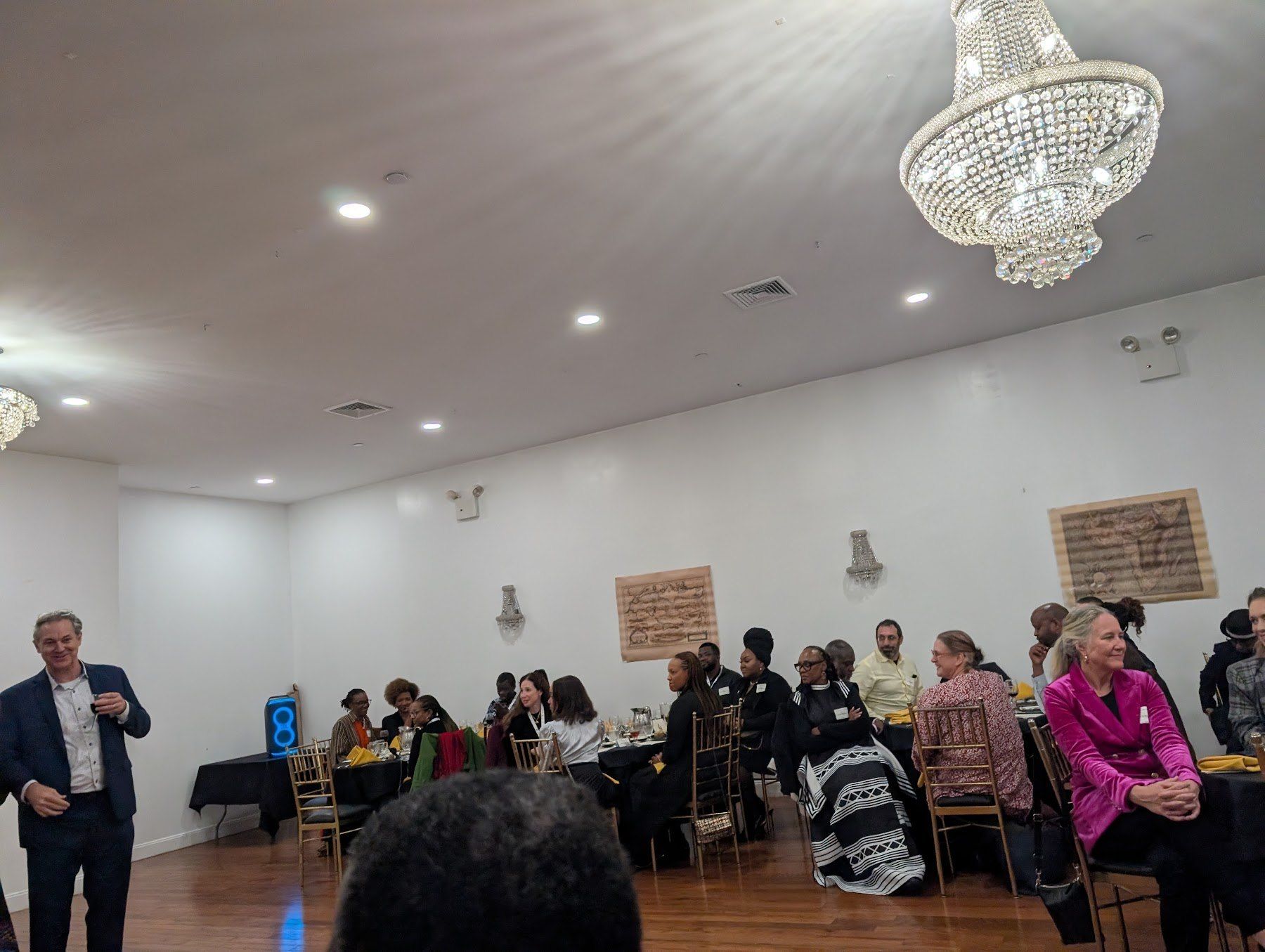
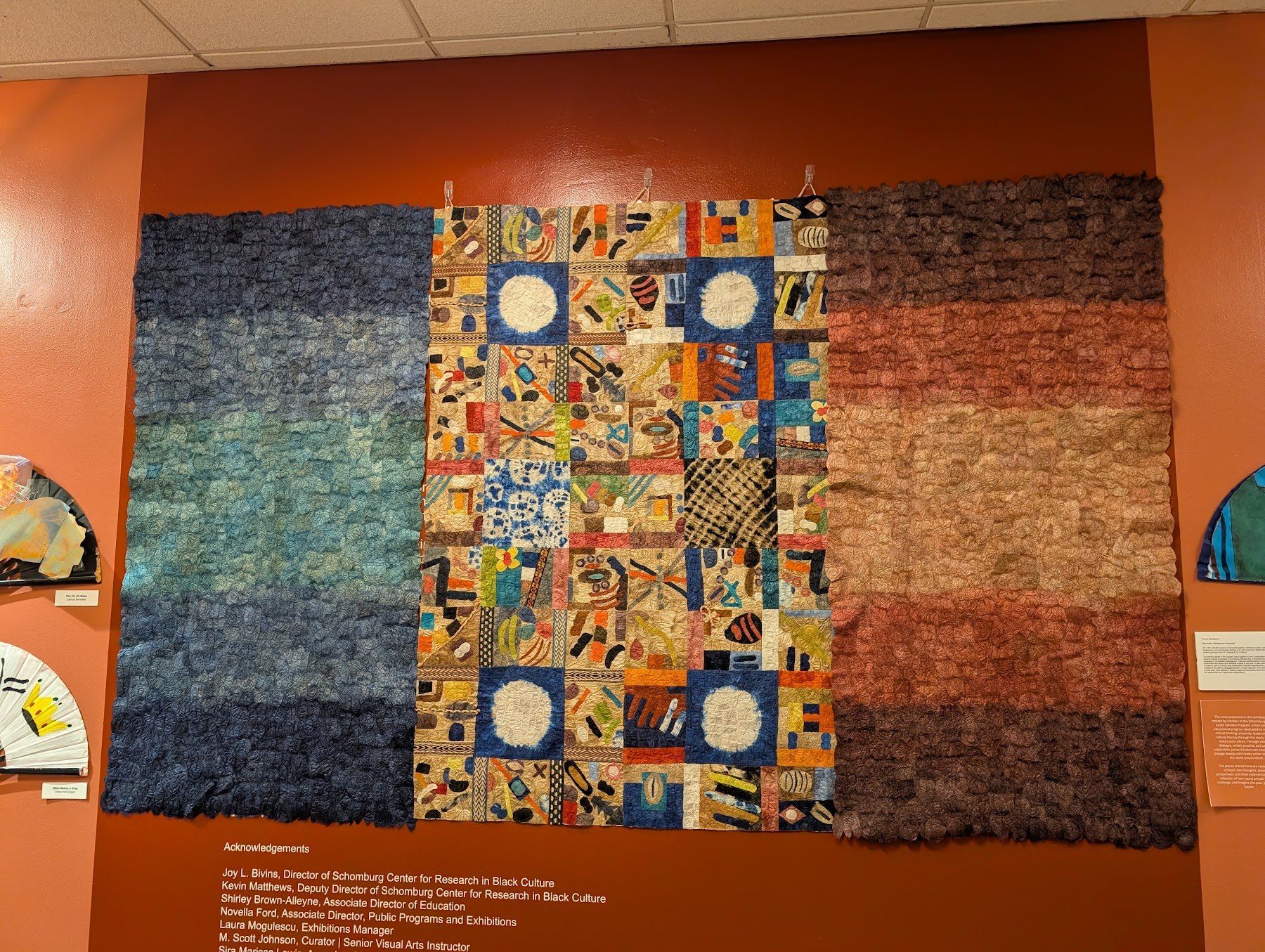
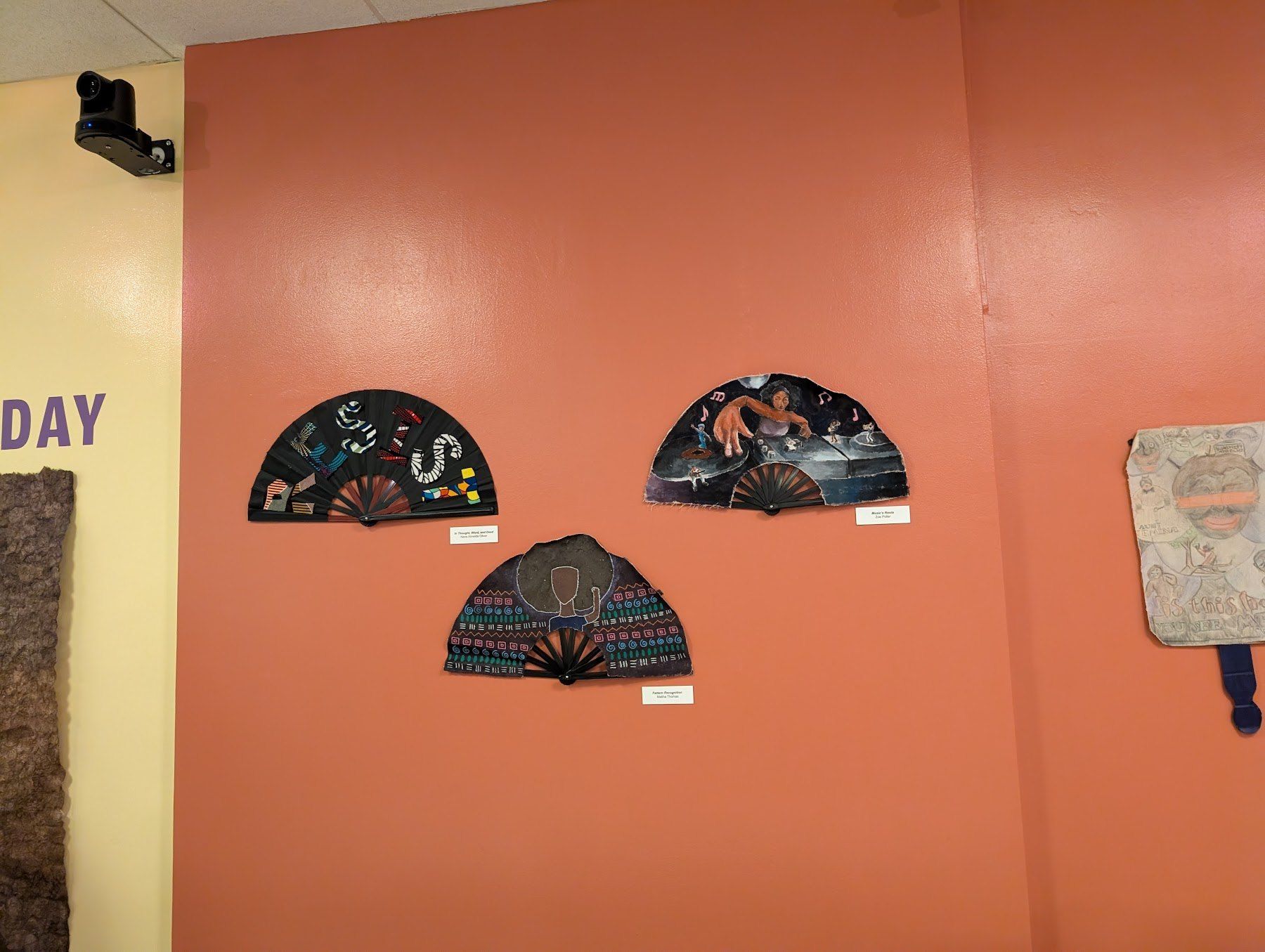
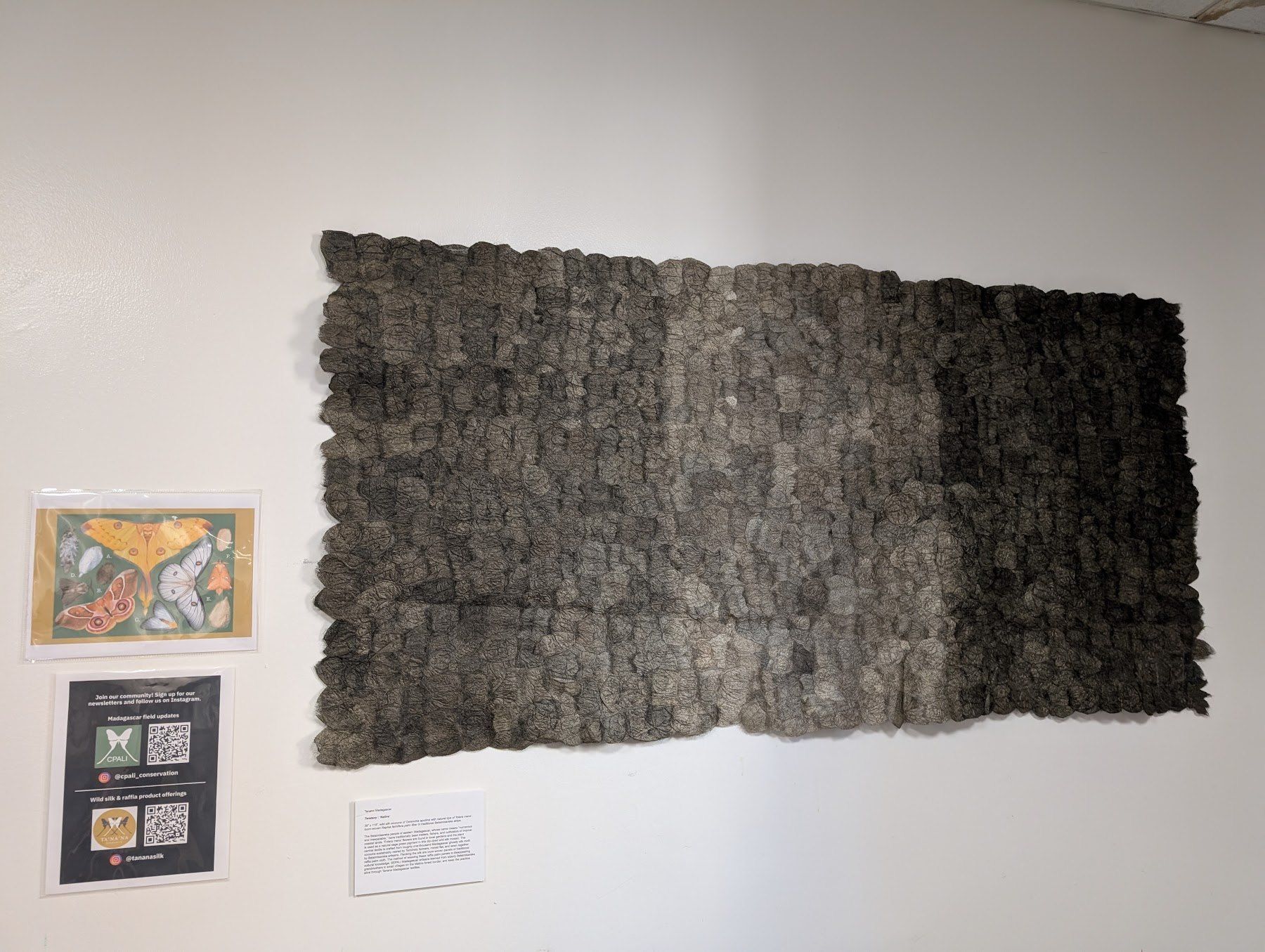
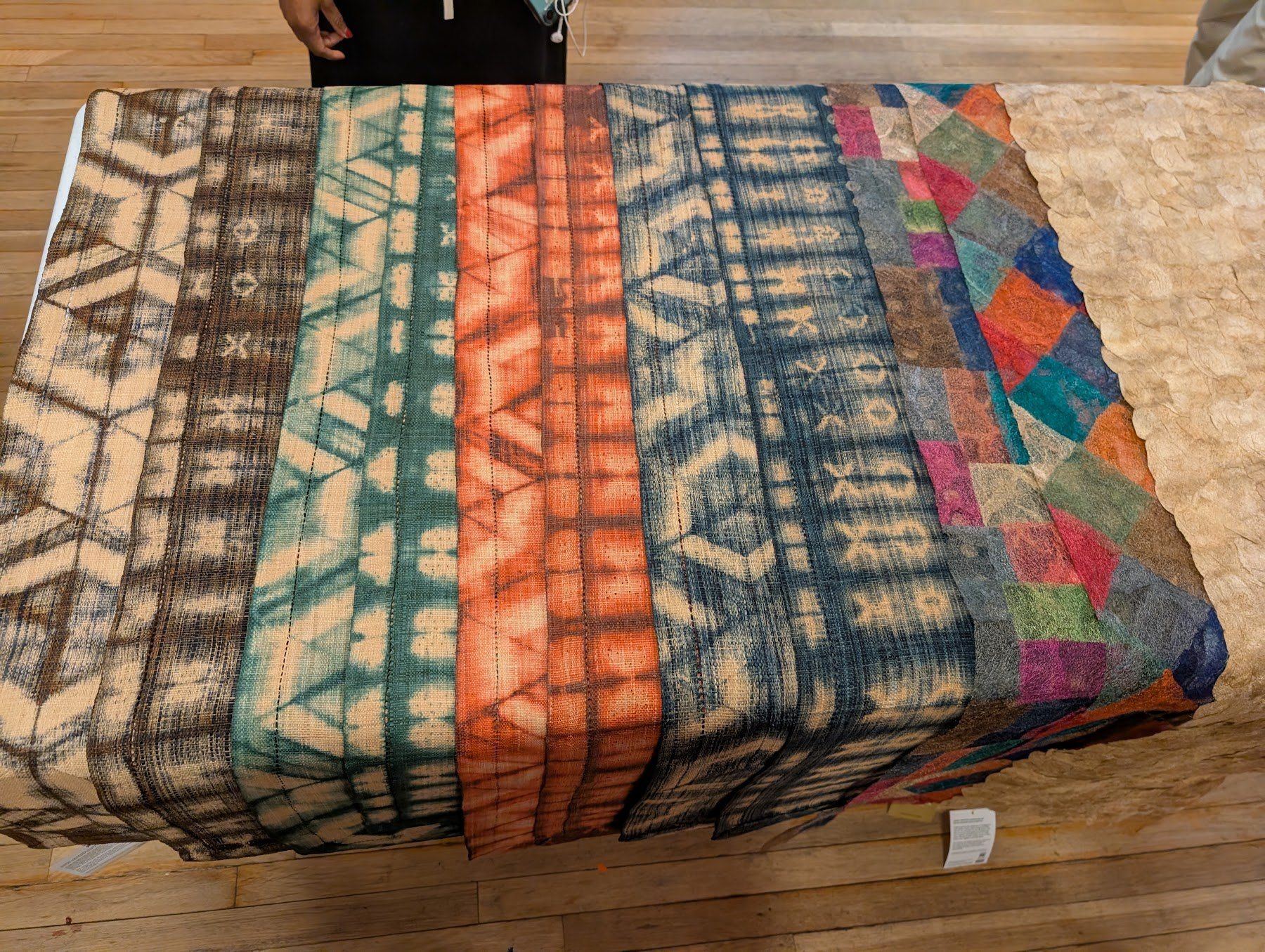
Photos courtesy of the American Geographical Society. The full conference recording arrives on the Society’s YouTube channel in December.
What’s your geography story?
For its 175th year, the Society is collecting stories from teachers, students and New Yorkers about how geography shaped their lives, and inviting supporters to give $17.50 in honor of the anniversary.
Presented in partnership with the American Geographical Society. Share it and tag us: @HarlemTimesNews on X and @theharlemtimes on Instagram. Prepared by the THT World Desk with help from THT Media Lab.
City and landscape photos via Wikimedia Commons: Lagos, Clara Sanchiz (CC BY-SA 2.0); Cape Town, Daniel Case (CC BY-SA 3.0); Nairobi, Cynthia Omondi (CC BY 4.0); Kigali, Adrien K (CC BY 2.0); Accra, Synth85 (CC BY-SA 4.0); Addis Ababa, Jean Rebiffé (CC BY 2.0); High Atlas, Zahra Imehli (CC BY-SA 4.0); Sossusvlei, Giles Laurent (CC BY-SA 4.0). Medal artwork is a stylized rendering by The Harlem Times, not the actual medals. Medalist portraits courtesy of the American Geographical Society.