
Many New Yorkers have never heard of the city agency built to defend them when a landlord, a boss or a business crosses the line. Christine Clarke wants to change that. Appointed Chair and Commissioner of the New York City Commission on Human Rights this year, after years as chief of litigation and advocacy at Legal Services NYC, she enforces the New York City Human Rights Law, one of the strongest anti-discrimination laws in the country.
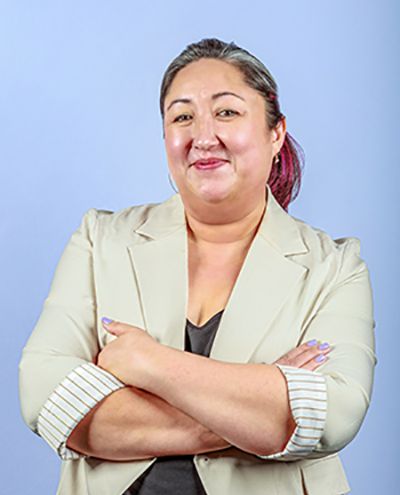
The Harlem Times sent the Commissioner five questions about what the law means for residents uptown. Our questions appear in bold. Her answers, provided in writing through the Commission’s press office, follow each one in full.
The Harlem Times: For a Harlem resident who’s never heard of the Commission, who are you, and what does the NYC Human Rights Law protect them from that they may not realize?
Commissioner Clarke: “The New York City Commission on Human Rights (CCHR) is the agency responsible for enforcing the New York City Human Rights Law (NYCHRL), one of the strongest anti-discrimination laws in the country. The NYCHRL protects New Yorkers from discrimination based on over 25 categories, including race, religion, disability, age, gender, and more. Our job is to investigate complaints and find justice for people who have experienced unlawful discrimination in their homes, at their jobs and public places.”
The Harlem Times: If someone uptown is turned away from an apartment over a housing voucher, mistreated at work, or denied a disability accommodation, what can the Commission do? How do they reach you, what does it cost, and what happens after they file?
Commissioner Clarke: “First, reaching out to the Commission is free, and we will never ask about your immigration status. You don’t need an attorney, and you don’t need to know whether or not what happened to you technically falls under the law. That’s our job.
“If you believe you have experienced discrimination, call us. We’ll listen to your experience, explain your rights, and help you understand your options. Sometimes, we can intervene and get a solution quickly. Other times, we will open a formal investigation and may litigate the case before an administrative law judge. When a legal violation is found, we obtain compensation for victims, which may include money damages, a ramp or other disability accommodation, and other kinds of relief. We also impose significant penalties for violators and require policy changes and trainings to prevent it from happening again.”
The Harlem Times: You came to the Commission from Legal Services NYC. What in your own story brought you to this work, and how does it shape how you lead today?
Commissioner Clarke: “I have spent my career fighting for New Yorkers, particularly lower-income New Yorkers, struggling to have their basic rights and dignity respected. And those fights shape how I approach my work at CCHR. My goal is to ensure that the amount of justice people can expect from their government will never depend on how much money they have or whether they have a lawyer. My team and I are working hard to revamp our systems and our communications to ensure that we are accessible and welcoming to all, and that we center experiences of every day New Yorkers in everything we do.”
The Harlem Times: What patterns of discrimination are you seeing in Harlem and Upper Manhattan, and is there a recent case that shows what the Commission can do?
Commissioner Clarke: “Housing discrimination is the most common problem we see across New York City, including race and national origin discrimination, which means discriminating against tenants because of their race or because they’re perceived to be an immigrant or to be from a certain country. We also continue to hear about landlords threatening to call ICE as a way of silencing tenants who are fighting for their rights, and that is absolutely a violation of City law.
“We also continue to hear from New Yorkers that they are being turned away from housing because they use a voucher or are being dismissed because they have a criminal history, and I want to be clear that this too is illegal.
“When New Yorkers are already struggling to find affordable housing, we can’t allow discrimination and prejudice to make it even harder.”
Examples of the Commission’s recent enforcement are posted on its settlements page.
The Harlem Times: What should New Yorkers expect from the Commission this coming year, and how can Harlem’s churches, community groups and The Harlem Times help residents know their rights?
Commissioner Clarke: “We are rethinking and reconsidering every aspect of the way we serve New Yorkers, there’s basically nothing we’re not open to doing differently. Part of that means that we’re changing our outreach approach to try to meet people where they are, coming out to community groups and churches to talk to people directly about their experiences, rather than waiting for people to contact us. And we are always looking for ways to make sure that New Yorkers know their rights under the NYCHRL and what to do if those rights are violated. We offer free Know Your Rights workshops for community organizations, houses of worship, and any other group that invites us to speak to their community. We regularly host public events throughout the year, and always welcome invitations to participate in neighborhood events. If you want to partner with us, reach out.”
Need help? Reaching the Commission is free, and no one will ask about your immigration status. Call 311 and ask for the Commission on Human Rights, or visit nyc.gov/humanrights. Churches and community groups can invite the Commission for a free Know Your Rights workshop through the same site.
An old proverb says that when the drumbeat changes, the dance changes too. The law has long been on the side of the tenant turned away and the worker mistreated. What the Commissioner describes is a change in the drumbeat: an agency that comes uptown to the pews and community rooms instead of waiting for a phone call. The rest of the dance belongs to the neighbors who show up, learn their rights, and pass them on.
Sources and attribution. The Commissioner’s answers were provided in writing to The Harlem Times by the NYC Commission on Human Rights press office (November 13, 2026) and are printed in full. Background on her appointment is from the Commission and the Mayor’s Office. All other text is by The Harlem Times. Photo courtesy of the NYC Commission on Human Rights.
Share this story and tag us: @HarlemTimesNews on X and @theharlemtimes on Instagram.