
The country that charmed the world this summer wants visitors to come for the islands, and leave knowing its people. The Harlem Times put 18 questions to Cabo Verde’s new Secretary of State for Tourism.
By Paul Jackson, Publisher

Ten volcanic islands sit 350 miles off Senegal, and for most of the summer of 2026 it felt as if half of Harlem was watching them. Cabo Verde, a nation of about 600,000, reached its first World Cup and left the group stage unbeaten: 0–0 with Spain in Atlanta, 2–2 with Uruguay in Miami, 0–0 with Saudi Arabia in Houston. Coach Bubista’s Blue Sharks took Argentina to extra time in Miami before falling 3–2. Thousands packed Boston’s City Hall Plaza and the Providence Fan Zone, and U.S. searches for a Cabo Verde vacation jumped more than fiftyfold.
A man of the islands
José Manuel Gomes Pimenta Lima took office in June 2026. He trained in meteorology in Leningrad and led the national meteorology institute. His tourism education came on Sal, the island most visitors see first, where he was a councillor for tourism and urban planning and then mayor from 2002 to 2004. “I see tourism not simply as an industry,” he told us, but as an instrument for jobs, enterprise and Cabo Verde’s standing in the world.
Measured in lives, not arrivals
His vision fits on a single line: more tourism for Cabo Verde, but above all, more Cabo Verde in tourism. That means local food on hotel tables, local guides and local investors, and growth “connected to our people.”
“Football opened a window to the world. Our job now is to invite people through that window.”
The numbers behind the beaches
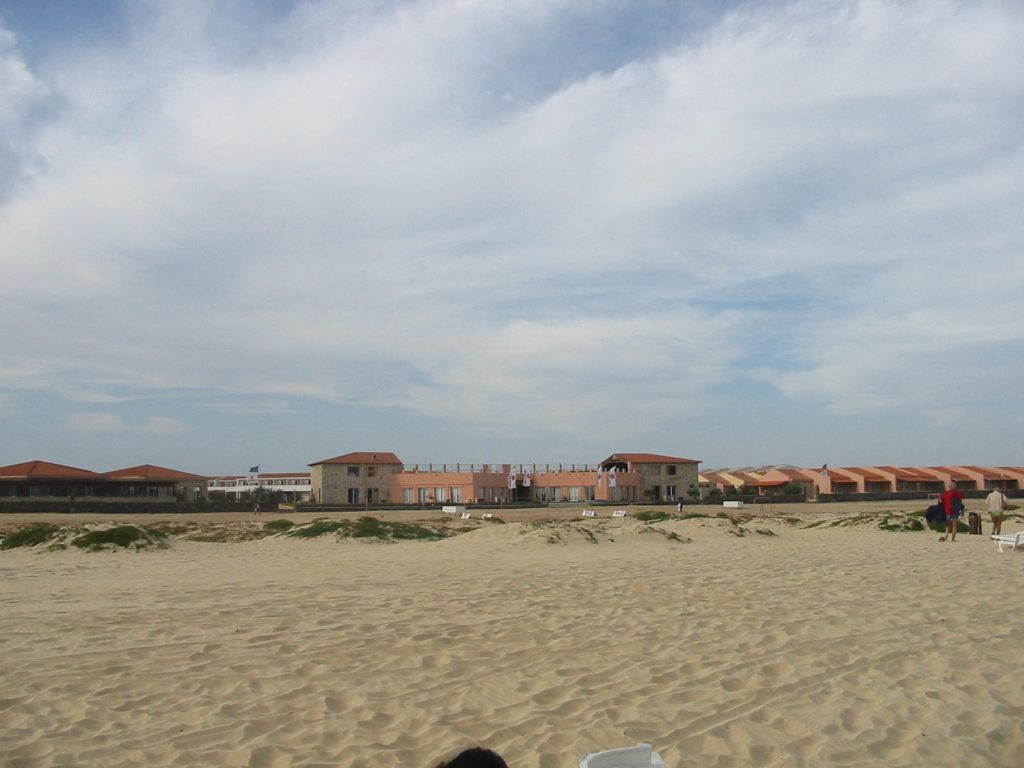
The islands welcomed 1.25 million hotel guests in 2025, up 6 percent, and occupancy climbed from 60 to 72 percent. Sal takes 58 percent of visitors and Boa Vista 24, which leaves Santiago, São Vicente, Santo Antão, Fogo and Brava waiting to be discovered.

An open door for America
Americans need no visa, only online pre-registration and a small airport fee. Cabo Verde Airlines returned to the United States this spring with nonstops to Providence. Luxury capital is arriving: Barceló’s Royal Hideaway on Sal, Marriott’s first hotel in Mindelo. His advice to Americans: beaches on Sal and Boa Vista, hiking on Santo Antão, music in São Vicente, history in Santiago, volcano wine on Fogo. And to investors: “Cabo Verde already has a very strong human bridge to the United States: our diaspora.”
Ten reasons to go
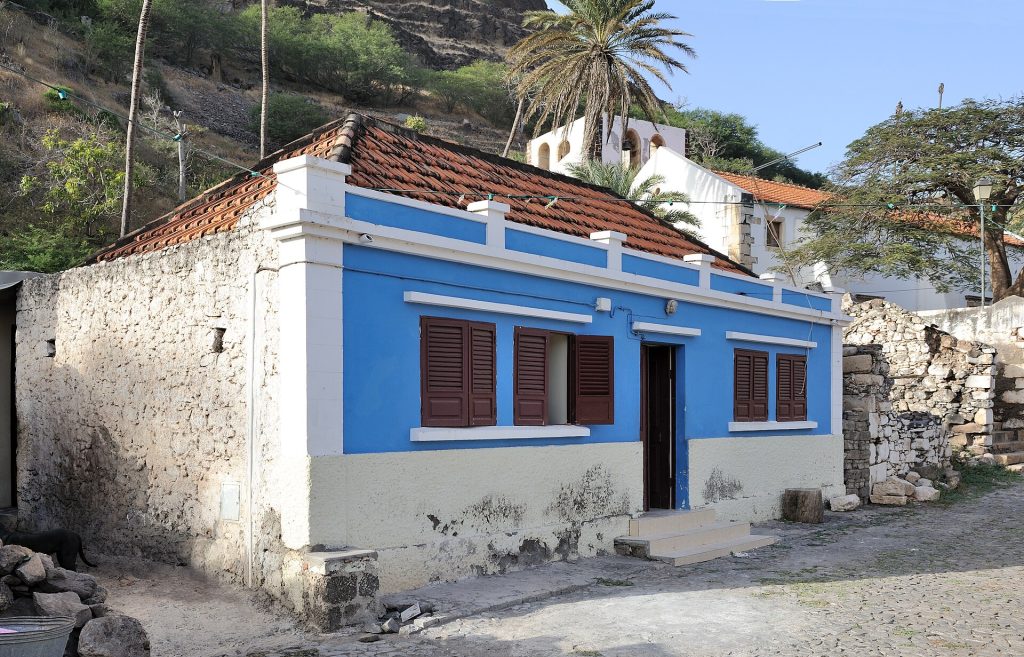
- Cidade Velha. The first European colonial town in the tropics (1462), a UNESCO site where Atlantic history is written in stone.
- Morna. The music Cesária Évora carried to the world, named UNESCO cultural heritage in 2019.
- Mindelo Carnival. São Vicente’s neighborhoods build floats in secret and unveil them on Shrove Tuesday.
- Baía das Gatas. A free full-moon music festival every August since 1984.
- Kriol Jazz. Praia’s April festival of Atlantic jazz.
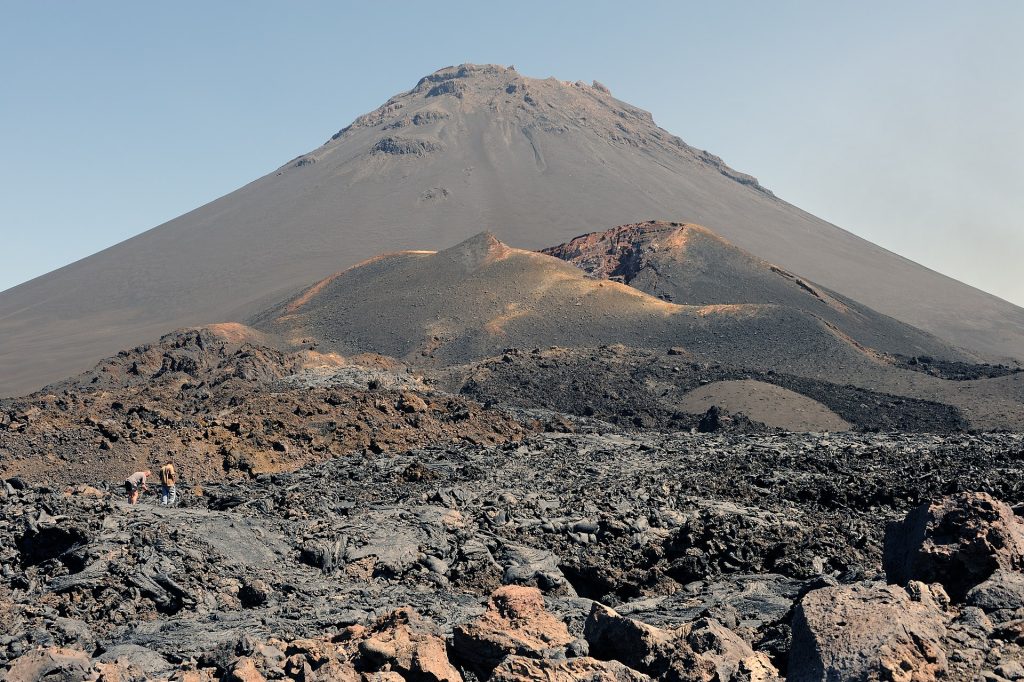
- Fogo. Climb the 2,829-meter volcano, then taste wine grown inside its crater.
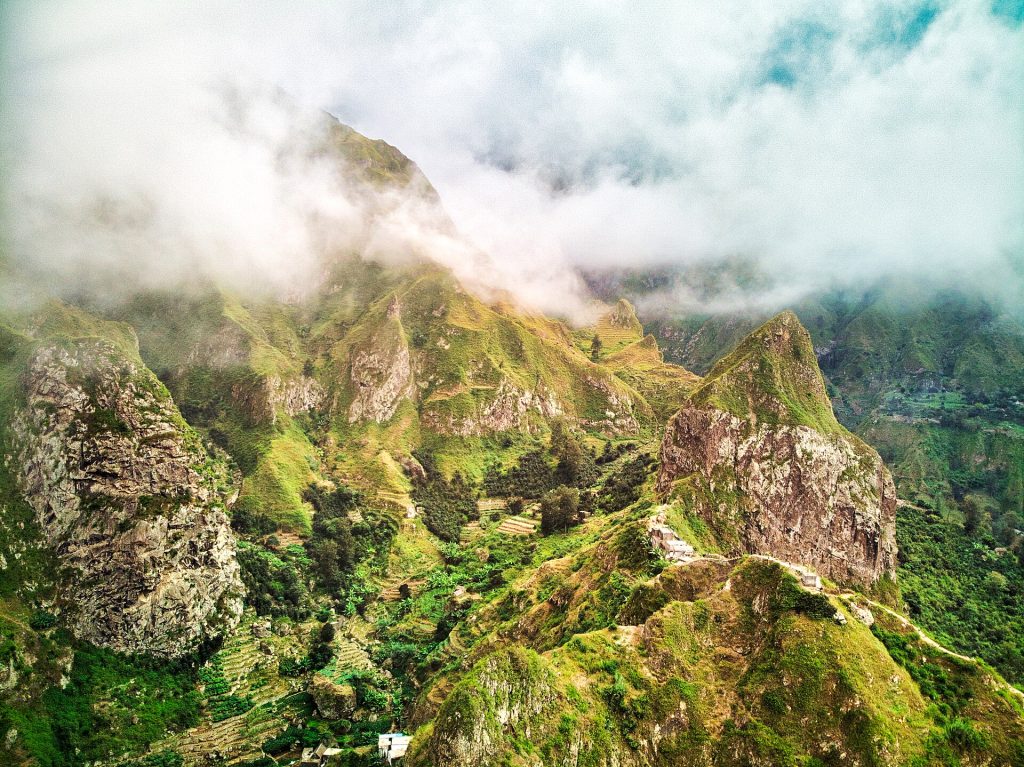
- Santo Antão. Old stone footpaths and green terraces, an hour’s ferry from Mindelo.
- Sal’s wind. Kite Beach and Ponta Preta are world-tour water; best from late October to April.
- Boa Vista. Dunes, empty beaches and two-thirds of the nation’s loggerhead turtle nests.
- Cachupa. The slow-cooked national stew of corn, beans and fish or pork. Have it twice.



Sankofa, in Kriolu
Harlem knows this story. A people formed at the crossroads of Africa and the Atlantic, who sent their children abroad and built a culture the world now comes to hear. Go back and get it.
Getting there: Cabo Verde Airlines flies Providence to Praia and Sal. No visa for U.S. citizens; pre-register on the government’s EASE portal five days ahead. Plan at visit-caboverde.com.
Get The Harlem Times Weekly free every Sunday: subscribe here. And try our new Harlem Times Crossword.